What to Do if Your Retaining Wall is Tilting or Leaning
If you notice that your retaining wall is tilting or leaning, it could be an indicator of a serious problem requiring immediate attention. Retaining walls are crucial in supporting and retaining soil, and any instability can lead to potential safety hazards. In this article, we will discuss what you should do if your retaining wall is tilting or leaning.
However, not all leaning walls are a cause for alarm. In this guide, we will discuss how to tell if your retaining wall is leaning and what you can do to prevent it.
When Should a Retaining Wall Lean?
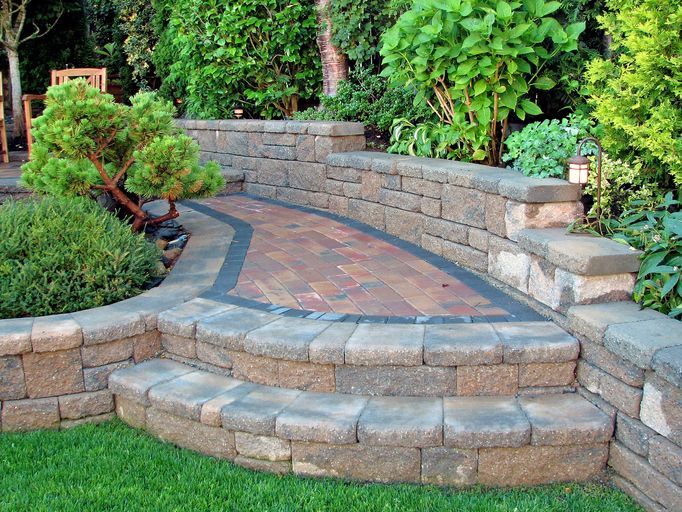
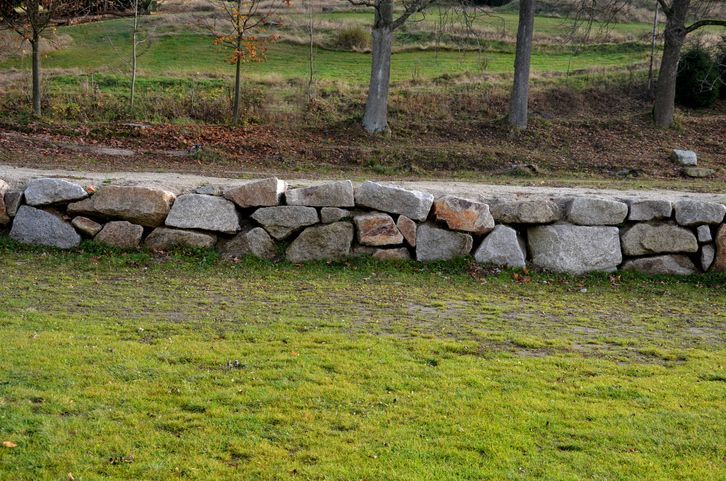
A slight backward lean or "setback" is often part of the design and is intentional for structural stability. It helps to balance the load and prevent the wall from collapsing under pressure.
To assess whether the lean is part of the design, you should measure the lean angle. If it is around 1 inch for every 1 foot of height, it's likely a design element. On the other hand, a lean that measures more than 1 inch per foot could be a sign of structural issues. It's always best to consult with a professional for an accurate assessment.
Signs Your Retaining Wall is Unsafe
Certain signs indicate that your retaining wall is unsafe and requires immediate action. There are a few signs that can indicate your retaining wall is leaning. These include:
- Visible bulging or tilting of the wall
- Gaps between the ground and the bottom of the wall
- Cracking or separation of blocks in the wall
- Water pooling near the base of the wall.
If you notice any of these signs, seeking professional help to prevent potential hazards is crucial.
Causes of Leaning Retaining Walls
There are various reasons why a retaining wall may lean or tilt, including:
Poor construction: If the soil isn't compacted enough before building a retaining wall, it can lead to unstable ground and cause the wall to lean.
Excessive water pressure: If there's inadequate drainage behind the wall, water buildup can exert excessive pressure and push against the wall, causing it to lean.
Vegetation growth: Trees or large shrubs planted too close to the wall can cause damage as their roots grow and push against the wall, causing it to tilt.
Soil erosion: If proper measures aren't taken to prevent soil erosion, it can undermine the stability of the retaining wall, leading to tilting or leaning.
Risks of Leaving a Leaning Retaining Wall Unrepaired
Ignoring a leaning retaining wall can lead to severe consequences, including:
Collapsing of the wall: A tilting or leaning wall will eventually collapse if not addressed, posing a safety risk to anyone near it.
Damage to property: If the retaining wall is in close proximity to your home or other structures, its collapse could cause significant damage.
Legal liability: If the retaining wall causes damage or injury to someone, you could be held legally responsible for any resulting damages.
How to Avoid Leaning and Tilting Retaining Walls
To avoid the costly and dangerous issue of a tilting retaining wall, it's essential to take preventive measures during construction. These include:
Proper site preparation: Ensure the ground is adequately compacted before building a retaining wall to provide a stable foundation.
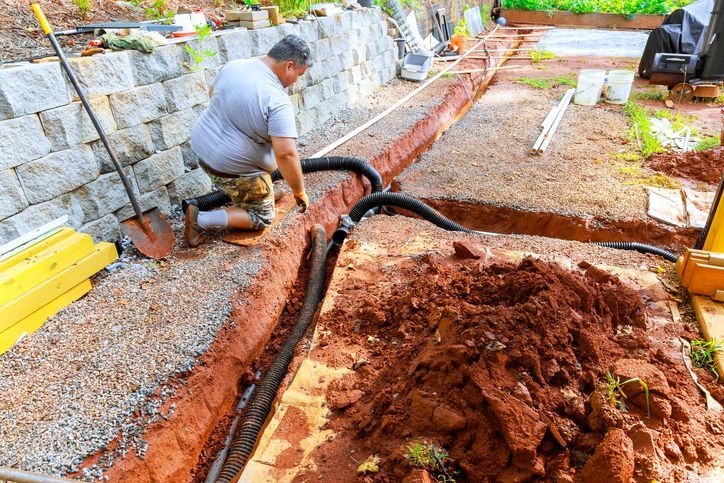
Adequate drainage: Proper drainage can prevent water buildup behind the wall, reducing pressure and preventing tilting or leaning.
Appropriate materials: Use high-quality materials and follow industry best practices to ensure the structural integrity of your retaining wall.
How Compaction Affects Your Retaining Wall
Compaction ensures that the soil beneath your retaining wall is solid and won't shift over time, causing the wall to tilt or lean. Improper compaction can lead to voids in the soil, which can cause instability and movement of your retaining wall. This can be prevented by using a plate compactor or hiring professionals with the right equipment and experience to compact the soil properly.
Without proper compaction, your retaining wall could face structural issues and require costly repairs or replacements in the future.
Risks of Installing a Retaining Wall Yourself
While DIY projects can be fun and cost-effective, building a retaining wall is not something to take lightly. Improper construction can lead to serious safety hazards, including the potential collapse of the wall. It's crucial to hire a professional landscaping company like J Bird's Landscaping for retaining wall installation. They have the expertise and equipment to ensure your retaining wall is safe, stable, and built to last.
Professional landscaping companies like J Bird's Landscaping have the expertise to install retaining walls correctly, minimizing the risk of leaning or tilting. They can assess the ground conditions, design an appropriate setback, and ensure proper compaction and drainage, effectively prolonging the life of your retaining wall.
In the event of leaning or tilting, they can also provide timely and effective repairs to prevent further damage.
Call J Bird's Landscaping Today!
In conclusion, paying attention to any signs of tilting or leaning in your retaining wall is crucial. While some lean may be part of the design, excessive lean or tilt should not be ignored as they could indicate a serious issue that requires immediate action.
Following proper installation techniques and working with professionals can prevent your retaining wall from leaning or tilting and ensure its longevity. At J Bird's Landscaping, we offer expert retaining wall installation services to ensure you have a sturdy, safe retaining wall to enhance your property.
Author: Jay Nagy
Owner & Founded of J Bird's Landscaping. 18+ Years of experience in Pittsburgh lawn cutting, patio installation, trucking/hauling, French drain installation, and other landscape/design services.
More Posts from J Bird's Landscaping