How Hardscape Systems Manage Roof and Surface Water Runoff
Water may seem harmless when it falls as rain, but once it starts collecting, rushing downhill, or draining toward the wrong part of your property, it can create serious problems. Many homeowners in the Pittsburgh area deal with standing water, washed-out mulch beds, muddy lawn areas, erosion, or runoff from downspouts after heavy rain.
In many cases, these issues are not caused by one single problem. They are often the result of how water moves across the entire property.
That is why effective water management usually involves more than adding a drain or extending a downspout. Grading, hardscaping, retaining walls, and landscape drainage systems all work together to help control roof runoff and surface water. When planned properly, these systems can help protect your yard, hardscape features, and home from ongoing water-related damage.
Why Water Management Matters for Your Property
Water always follows the path of least resistance. If your property does not have a clear, controlled path for runoff, water may collect where you do not want it.
Common water problems homeowners experience include:
- Standing water in low areas of the yard
- Soil erosion along slopes or planting beds
- Water pooling near patios, walkways, or driveways
- Downspout runoff washing away mulch or soil
- Wet areas that stay soft after rain
- Drainage concerns near the foundation
In Western Pennsylvania, properties often have slopes, clay-heavy soils, older grading patterns, and established landscapes that may not move water efficiently. Over time, unmanaged runoff can damage lawn areas, weaken planting beds, cause patios or walkways to settle unevenly, and create ongoing maintenance problems.
Good drainage planning helps reduce these risks. It also supports the long-term performance of your landscape and hardscape features.
Understanding Roof Runoff and Surface Water
Before choosing a drainage solution, it is important to understand where the water is coming from. Most residential water issues involve a combination of roof runoff and surface water runoff.
Roof Runoff
Roof runoff is the water that falls onto your roof, flows into your gutters, and exits through downspouts. This water often concentrates at a few discharge points around the home.
That concentration can create problems if downspouts empty too close to the house, onto a patio, into a planting bed, or onto a slope. Even a normal rainstorm can send a large amount of water through one downspout. If that water is not properly directed away, it may contribute to erosion, pooling, or foundation drainage issues.
Roof runoff solutions may include downspout extensions, underground drainage lines, catch basins, or grading adjustments that move water toward a more appropriate discharge area.
Surface Water Runoff
Surface water runoff is rainwater that moves across lawns, slopes, planting beds, patios, driveways, and other outdoor surfaces. This type of runoff is affected by the land's shape, soil conditions, hardscape layout, and existing drainage patterns.
For example, water may move across a sloped backyard toward a patio. It may collect at the base of a retaining wall. It may run across a walkway and wash soil into the lawn. These issues can be easy to miss until heavy rain makes the pattern obvious.
Roof runoff and surface water runoff should be managed together. Solving one without considering the other may leave the homeowner with the same drainage problem in a different location.
The Role of Grading in Water Management
Grading is the foundation of a successful drainage plan. It refers to the shape and slope of the land. Proper grading helps move water away from structures, hardscape areas, and low spots where pooling occurs.
Positive drainage means the land is shaped so water flows away from the home and toward a suitable drainage path. This does not always require dramatic changes, but it does require careful planning. In some yards, small grading adjustments can improve surface flow. In others, larger reshaping may be needed to correct low areas or redirect runoff.
Grading can help:
- Reduce standing water
- Move runoff away from the home
- Limit soil erosion
- Improve lawn and landscape usability
- Support the performance of patios, walkways, and retaining walls
Proper grading not only improves drainage but can also provide long-term benefits for your property. Learn more in J Bird’s Landscaping’s article, Land Grading Can Increase Your Property Value.
How Hardscapes Help Control Water Movement
Hardscapes do more than add structure and usable space to a yard. They also influence how water moves across the property. A patio, walkway, or retaining wall can either support a drainage plan or make water problems worse if drainage is not considered during design.
That is why hardscape drainage solutions should be planned as part of the overall project, not added as an afterthought.
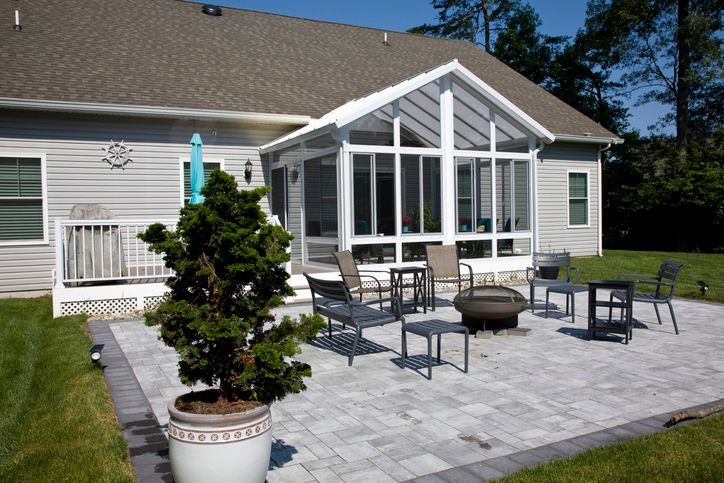
Patios
Patios create stable outdoor living areas, but they must be built with drainage in mind. If a patio is flat or pitched in the wrong direction, water may collect on the surface or move toward the home.
A well-planned patio should account for slope, surrounding grade, and nearby drainage features. In some cases, patio drainage solutions may include channel drains, permeable materials, nearby catch basins, or grading that directs water away from the space.
When designed properly, a patio can reduce muddy areas, improve usability after rain, and help move runoff toward a controlled outlet.
Walkways
Walkways also influence drainage. They can guide foot traffic, reduce soil disturbance, and help create defined paths through the landscape. However, they can also interrupt natural water flow if not installed with proper slope and drainage planning.
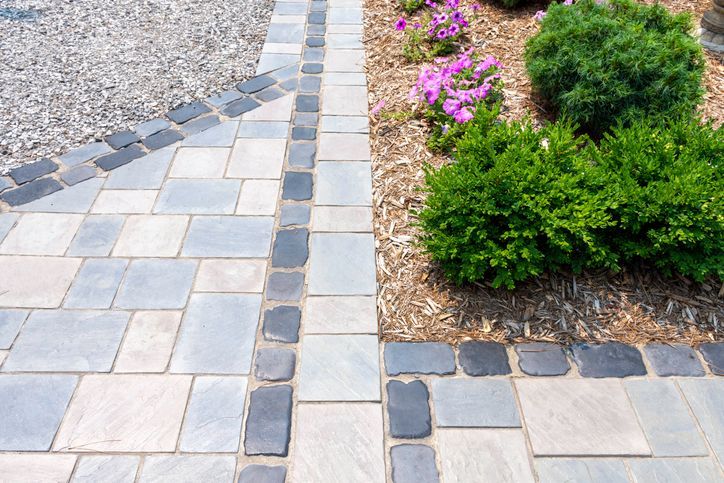
A walkway that crosses a runoff path may need nearby grading adjustments or drainage features to prevent water from pooling along the edges. Properly designed walkways help keep outdoor areas easier to use while reducing erosion and muddy conditions.
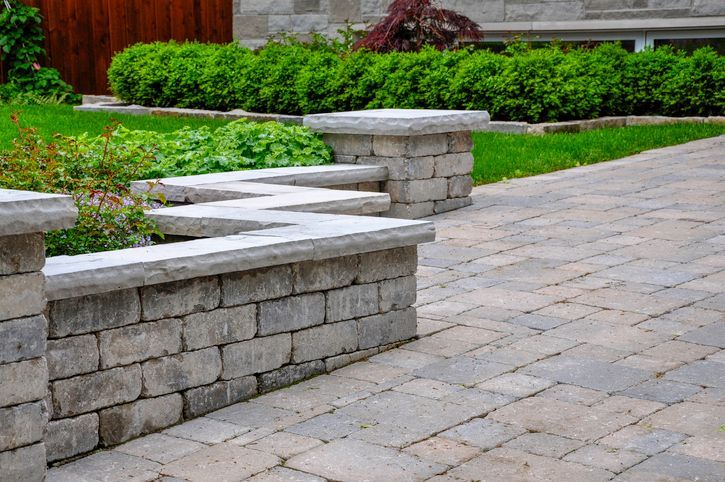
Retaining Walls
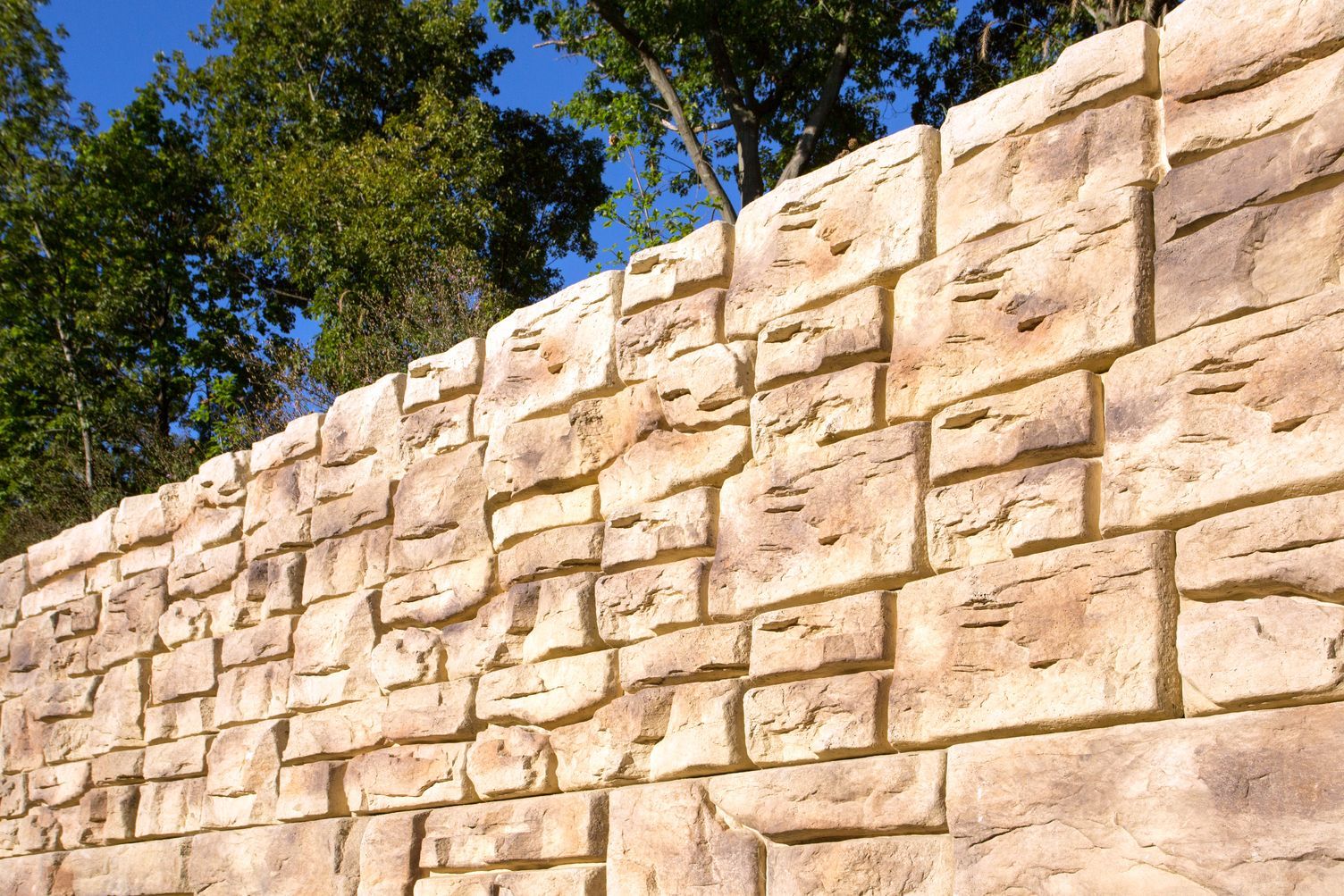
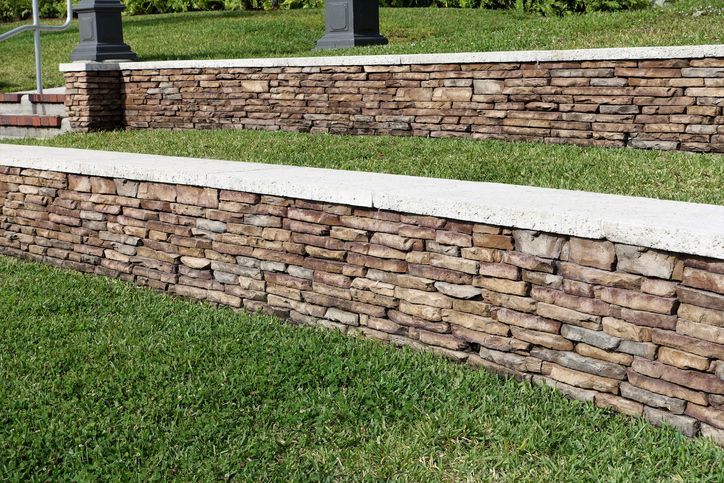
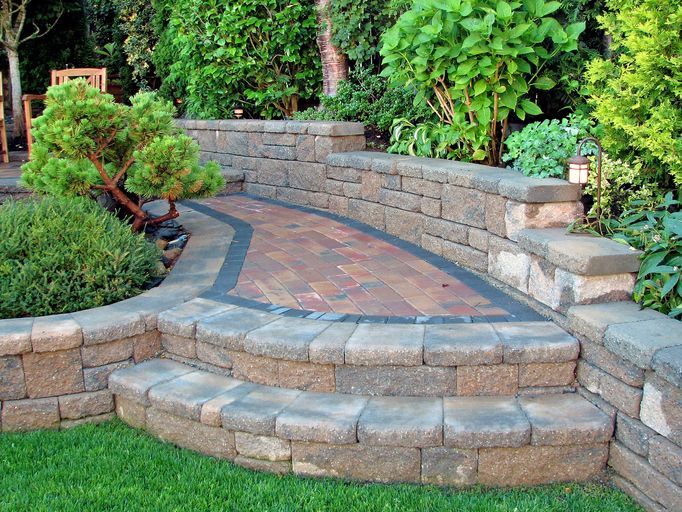
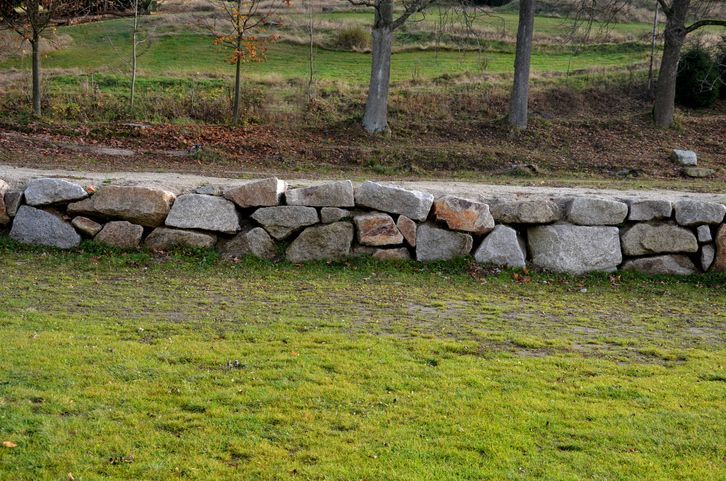
Retaining walls are typically used to stabilize slopes, create level areas, and support landscape or hardscape features. They can also play an important role in water management and landscaping.
Because retaining walls hold back soil, drainage behind and around the wall is especially important. Water pressure behind a wall can cause problems if not managed properly. Drainage stone, pipe systems, proper backfill, and controlled outlets may all be part of a retaining wall drainage plan.
Retaining walls and drainage should always be considered together. A wall can help control erosion and reshape a difficult slope, but it needs proper drainage to perform well over time.
Drainage Features That Work Alongside Hardscapes
Hardscape systems often work best when paired with dedicated drainage features. These systems help collect, redirect, or slow down water before it causes damage.
Common drainage features include:
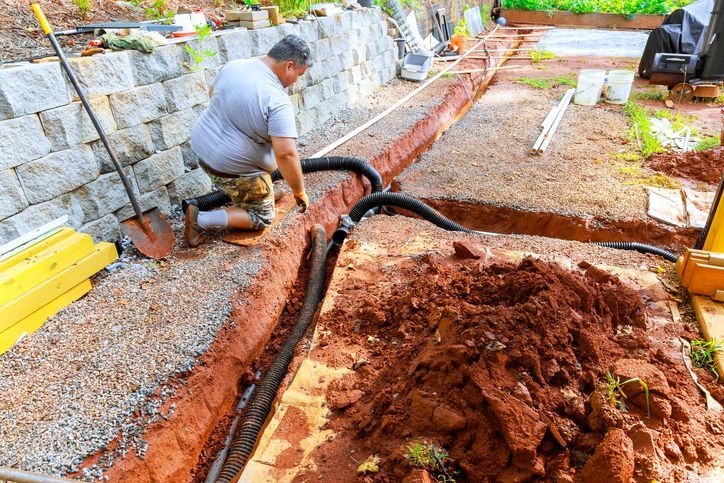
- French drains: Gravel and pipe systems that help move subsurface water away from wet areas.
- Catch basins: Drainage boxes that collect surface water and direct it into a drainage pipe.
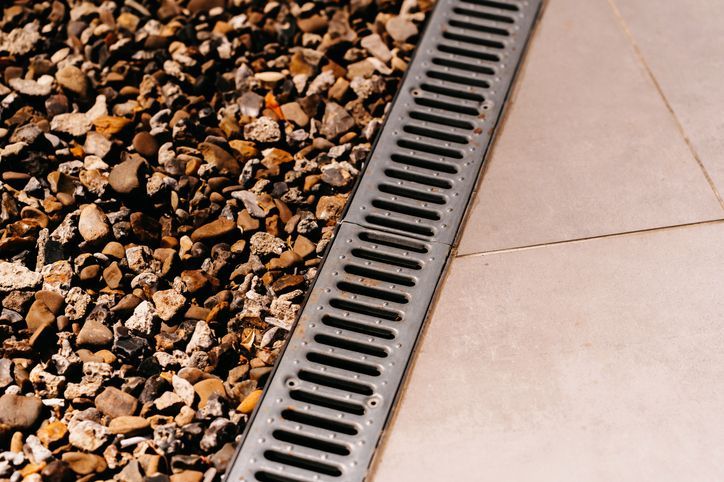
- Channel drains: Linear drains are often used near patios, driveways, or hardscape edges to capture surface runoff.
- Downspout extensions: Above-ground or underground systems that carry roof runoff away from the home.
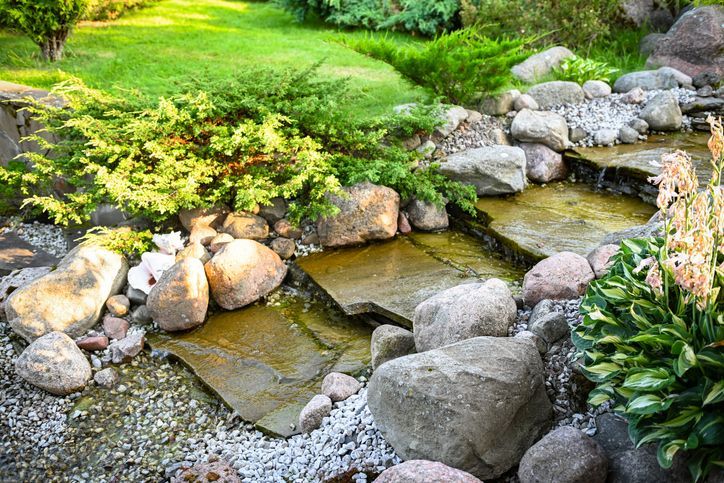
- Drainage swales: Shallow, shaped channels that guide water through the landscape in a controlled way.
The right solution depends on the property. A wet lawn may need a different approach than a patio that floods during heavy rain. A steep slope may require grading and retaining wall support, while a downspout problem may require a more direct roof runoff solution.
The most effective landscape drainage systems are designed around how water actually moves on the property.
Creating a Complete Water Management Strategy
Many homeowners hope that drainage issues can be solved with one simple fix. Sometimes that is possible, but many water problems involve multiple factors.
For example, standing water near a patio may be caused by poor grading, downspout discharge, compacted soil, and the patio’s slope. Extending a downspout might help, but it may not resolve the issue entirely if surface water is still flowing into the same area.
A complete water management strategy may include:
- Grading to improve surface flow
- Hardscape design that directs water properly
- Drainage systems to collect and move runoff
- Retaining walls to stabilize slopes
- Planting bed adjustments to reduce erosion
- Downspout management to control concentrated roof runoff
Homeowners looking for additional ways to improve drainage can benefit from understanding how water moves throughout their property. J Bird’s Landscaping explains more in How to Improve Water Flow at Your Home.
By looking at the whole property, homeowners can avoid temporary fixes that only move water from one problem area to another.
Why Professional Planning Matters
Every property drains differently. Two homes on the same street can have very different water issues based on slope, soil, downspout placement, hardscape layout, and surrounding grades.
Water flow patterns are not always obvious during dry weather. A professional evaluation can help identify where water is coming from, where it is collecting, and how it should be redirected, which is especially important when planning a patio, retaining wall, or larger landscape renovation.
Professional planning helps homeowners avoid common problems, such as:
- Installing a patio without a proper slope
- Directing water toward a foundation
- Building a retaining wall without drainage
- Sending downspout water into an already wet area
- Creating new low spots during landscape work
The goal is not just to remove water from one area. The goal is to create a practical, long-term system that moves water in a controlled and responsible way.
How J Bird’s Landscaping Helps Manage Water Runoff
J Bird’s Landscaping works with homeowners to evaluate outdoor spaces and recommend practical solutions for grading, drainage, hardscaping, and retaining walls. For Pittsburgh-area properties, this often means considering the entire landscape rather than focusing on a single feature.
A water management project may begin with a site evaluation to understand the property’s slope, drainage patterns, wet areas, and existing hardscape features. From there, J Bird’s Landscaping can recommend solutions that may include grading adjustments, drainage features, downspout management, patio drainage improvements, or retaining wall installation.
This type of approach is especially valuable for homeowners planning new hardscape projects. A patio, walkway, or retaining wall should not only look good but also function well. It should also work with the property’s natural drainage patterns.
By considering water movement during the design process, J Bird’s Landscaping helps homeowners create outdoor spaces that are more functional, more stable, and better prepared for regular rainfall.
Protecting Your Landscape From Water Damage
Managing roof and surface water runoff is about more than installing drainage pipes. It requires understanding how water moves across the property and how each outdoor feature affects that movement.
Grading helps shape the land. Hardscapes help direct and control surface flow. Retaining walls support slopes and manage elevation changes. Drainage systems collect and redirect water where needed. When these elements work together, they can help reduce standing water, erosion, landscape damage, and premature hardscape wear.
Concerned about standing water, runoff, or erosion? Contact J Bird’s Landscaping to schedule a drainage and grading evaluation and explore drainage solutions tailored to your property.
Planning a patio, retaining wall, or landscape renovation? J Bird’s Landscaping can help create a design that improves both outdoor function and water management.
Author: Jay Nagy
Owner & Founded of J Bird's Landscaping. 18+ Years of experience in Pittsburgh lawn cutting, patio installation, trucking/hauling, French drain installation, and other landscape/design services.
More Posts from J Bird's Landscaping