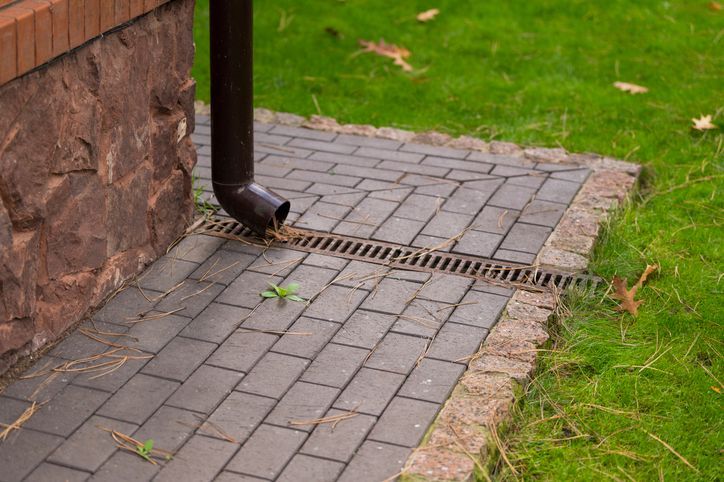
How Retaining Walls Help Control Erosion on Steep Yards
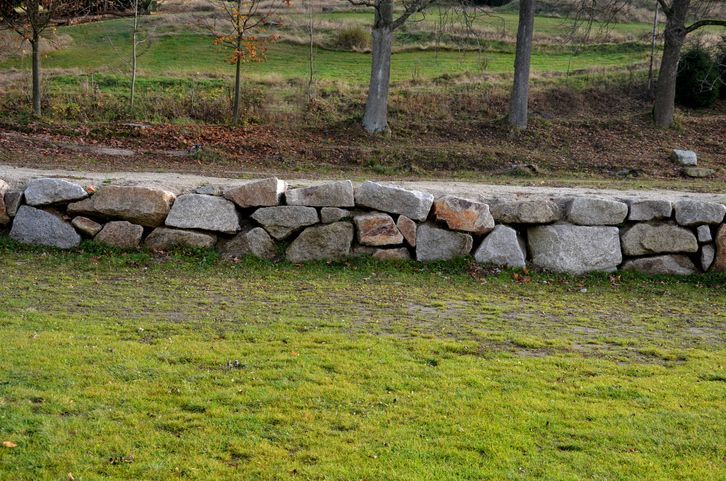
Steep and sloped yards are common throughout the Pittsburgh area, and while they add character to a property, they also create serious challenges when it comes to erosion, drainage, and long-term landscape stability. Many homeowners assume erosion is only a cosmetic issue, but in reality, unchecked erosion can lead to soil loss, unstable slopes, drainage problems, and damage to surrounding landscape features. Retaining walls are one of the most effective ways to control erosion on steep yards while also improving usability and long-term durability.
Why Steep Yards Are More Prone to Erosion
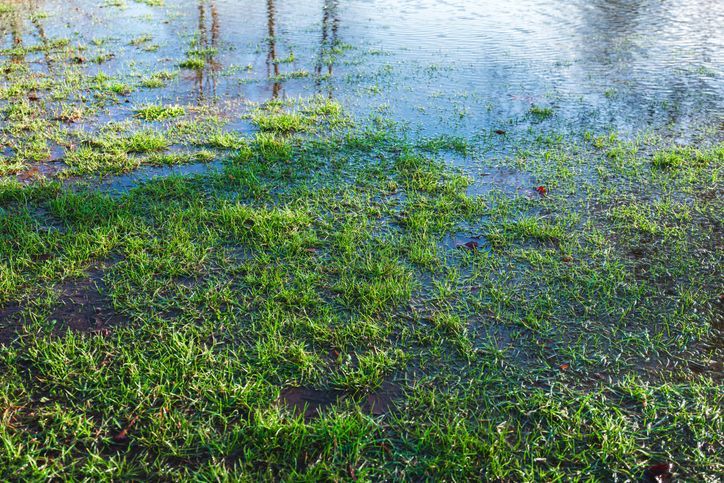
Erosion occurs when soil is displaced by water, gravity, or both. On sloped properties, this process happens faster and becomes more severe over time. Gravity naturally pulls soil downhill, and during heavy rain, water flows quickly across slopes instead of soaking into the ground. In the Pittsburgh region, frequent rainfall combined with compacted or clay-heavy soils makes slopes especially vulnerable. Without proper drainage and stabilization, erosion worsens year after year, leading to washed-out landscaping, exposed roots, and unstable ground conditions.
What Is a Retaining Wall and How Does It Work?
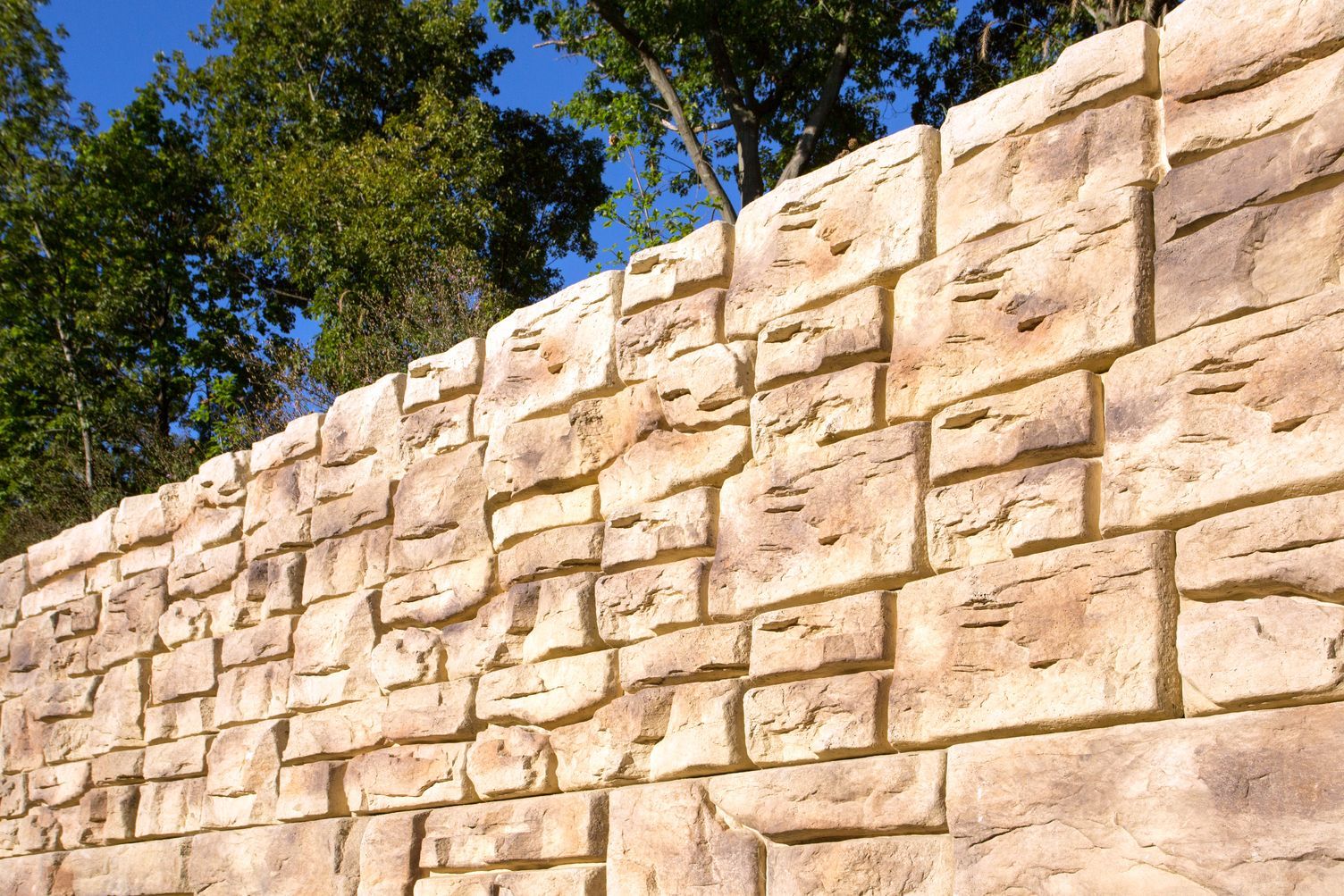
A retaining wall is a structural landscape feature designed to hold back soil and manage changes in elevation. Rather than allowing soil to slide downhill, a retaining wall resists pressure from the slope and creates controlled, stable areas within the landscape. Some retaining walls are decorative and used for minor grade changes, while others are structural and built to handle significant soil and water pressure. On steep yards, properly designed retaining walls reshape the landscape to improve stability and drainage.
How Retaining Walls Prevent Soil Erosion
Soil Stabilization on Slopes
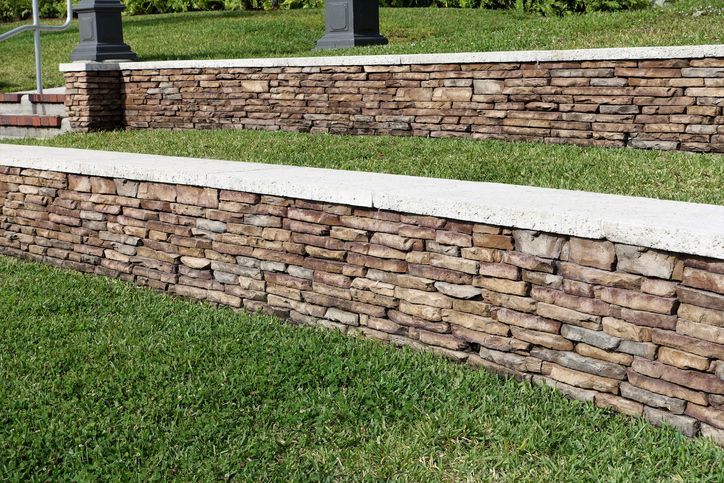
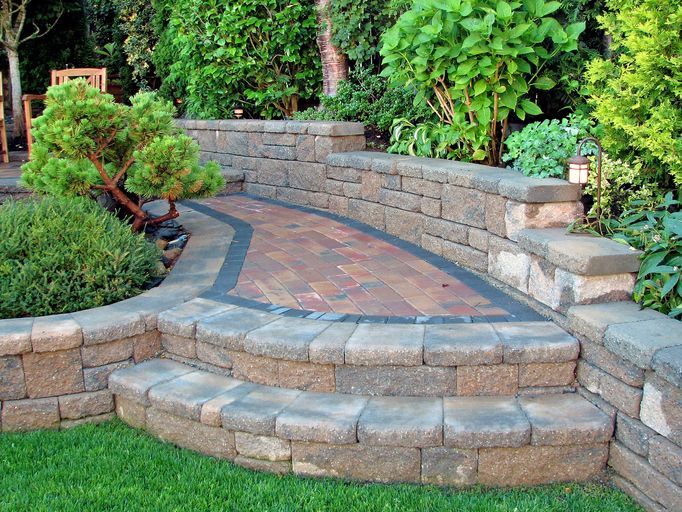
One of the primary ways retaining walls control erosion is by stabilizing soil. By holding soil in place, retaining walls prevent downhill movement that leads to thinning topsoil and exposed roots. They also allow steep yards to be broken into level terraces, reducing slope stress and protecting nearby landscaping and hardscaping features.
Managing Water Runoff More Effectively
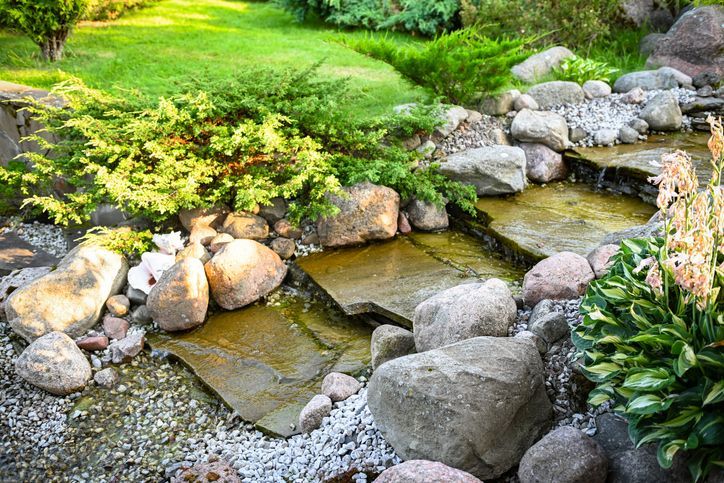
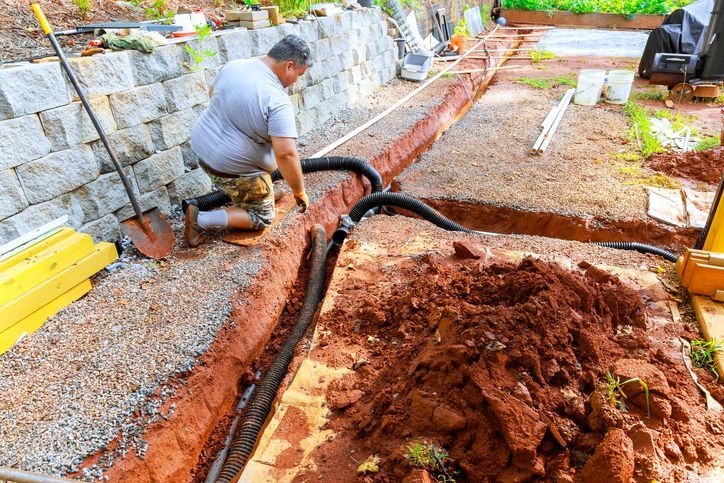
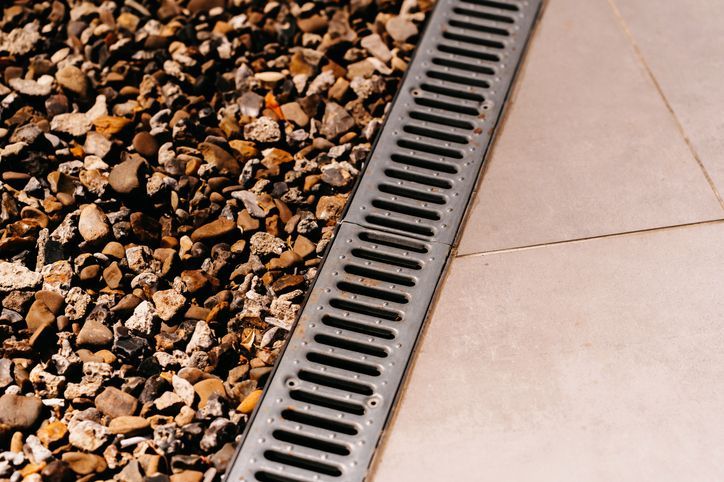
Water management is just as important as soil retention. Retaining walls work in combination with drainage systems to redirect water away from vulnerable areas, reduce pooling, and prevent washouts after heavy rain. Features such as gravel backfill, proper grading, and drainage pipes help relieve pressure behind the wall and extend its lifespan. For more information on improving drainage around your property, see How to Improve Water Flow at Your Home.
Additional Benefits of Retaining Walls Beyond Erosion Control
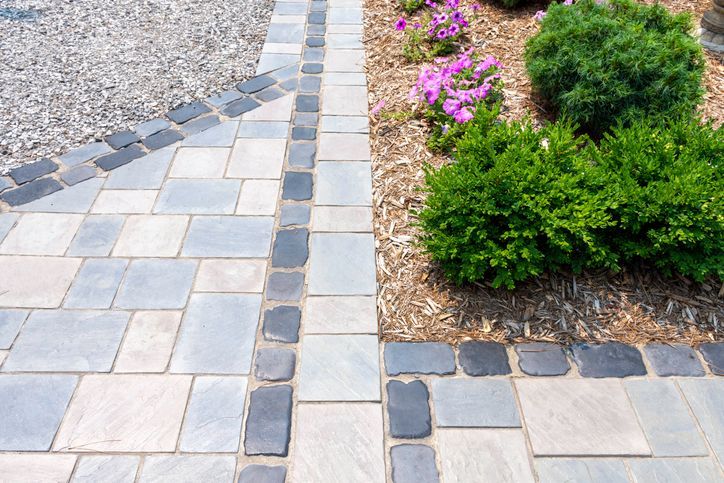
In addition to preventing erosion, retaining walls provide several long-term benefits for homeowners. They create usable outdoor space on sloped properties, making it easier to install patios, walkways, seating areas, or garden beds. Retaining walls also add structure and visual appeal to a landscape, improving curb appeal and overall property presentation. Over time, they contribute to a more durable, lower-maintenance yard that holds up better against weather and seasonal changes.
Signs Your Sloped Yard May Need a Retaining Wall
Not every slope requires a retaining wall, but certain warning signs indicate erosion is becoming a serious issue. These include visible soil loss, bare patches on hillsides, leaning trees, exposed roots, or runoff channels forming during rainstorms. Cracked patios, walkways, or landscape features can also point to underlying soil movement. If you’re unsure when it’s the right time to take action, this guide explains more: When Should You Build a Retaining Wall?.
Why Professional Installation Matters for Hillside Projects
Retaining walls on steep yards require careful planning, proper grading, and integrated drainage solutions. Local soil conditions, slope angles, and weather patterns all play a role in how a wall should be designed and built. Poorly constructed or DIY retaining walls often fail due to inadequate drainage or insufficient structural support, leading to more costly repairs down the road. Professional installation ensures the wall is built to handle long-term soil and water pressure safely.
How J Bird’s Landscaping Helps Solve Hillside Challenges
J Bird’s Landscaping has experience working with Pittsburgh-area terrain and understands the challenges that come with steep and sloped properties. Each retaining wall project is approached with a focus on proper drainage, long-term durability, and practical design that fits the property. From initial evaluation to final installation, the goal is to create stable, functional landscapes that hold up over time.
If you’re dealing with erosion, runoff, or instability on a sloped yard, a retaining wall may be the solution. Contact J Bird’s Landscaping to request a retaining wall consultation or schedule a property evaluation to address erosion and drainage concerns before they worsen.
Author: Jay Nagy
Owner & Founded of J Bird's Landscaping. 18+ Years of experience in Pittsburgh lawn cutting, patio installation, trucking/hauling, French drain installation, and other landscape/design services.
More Posts from J Bird's Landscaping