French Drains and Beyond: Choosing the Right Water Management System for Your Property
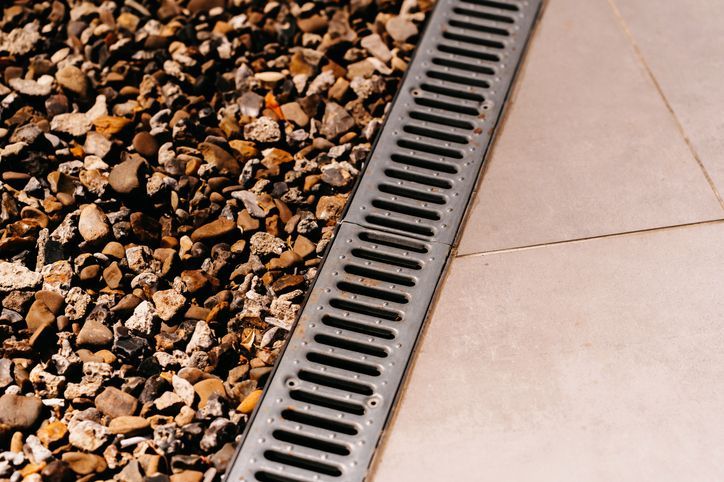
Managing excess water is one of the most common challenges property owners face in Western Pennsylvania. From standing water in yards to soggy planting beds and foundation concerns, poor drainage can quietly create long-term problems if it isn’t addressed correctly.

While French drains are often the first solution people think of, they’re only one option within a much broader category of yard drainage systems. In reality, effective water management depends on site conditions, soil composition, grading, and how water moves across and below the surface of your property.

This guide breaks down the most common water retention systems and drainage solutions, including French drains, swales, dry wells, and underground retention tanks, so you can better understand which system is best suited for your property and why a professional evaluation is necessary.


Why Yard Drainage Systems Matter in Pittsburgh


Western Pennsylvania’s climate presents a unique combination of challenges for drainage. Heavy spring rains, clay-rich soils, freeze-thaw cycles, and older neighborhoods with established grading patterns all impact how water behaves once it reaches the ground.

When water isn’t managed correctly, it can lead to:


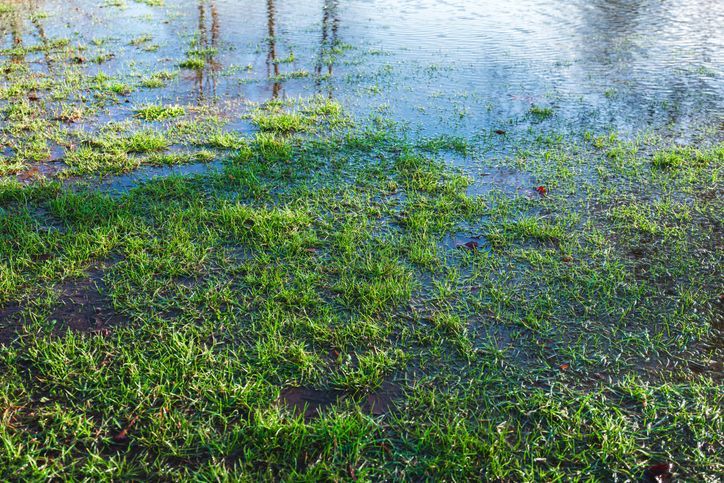
  • Persistent pooling in lawns or low areas
  • Soil erosion and washouts
  • Stress on turf, plants, and hardscaping
  • Water intrusion near foundations or basements
  • Reduced usability of outdoor spaces


Choosing the right yard drainage system is less about installing a specific product and more about controlling where water goes—and how quickly it gets there.


French Drains: A Common but Specific Solution


What Is a French Drain?


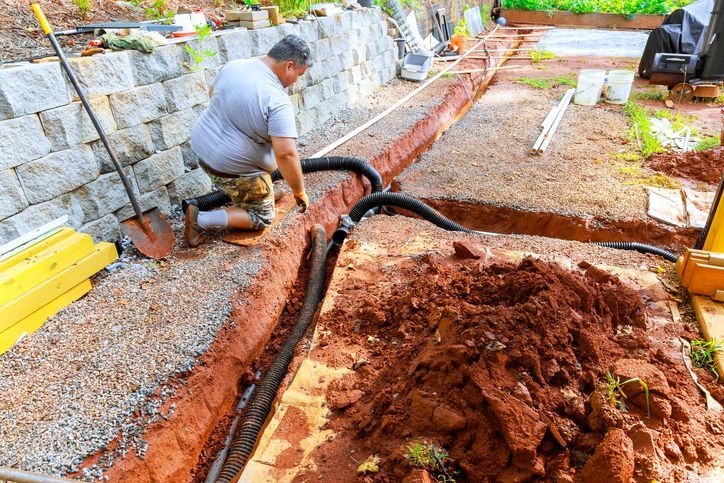
French drain is comprised of a gravel-filled trench containing a perforated pipe that redirects groundwater away from problem areas. It works by collecting water below the surface and moving it to a designated discharge point.


When a French Drain Makes Sense


French drains are effective when:


  • Water consistently saturates soil near foundations or structures
  • There’s subsurface water buildup rather than surface runoff
  • The property has enough slope to move water away naturally
  • Soil conditions allow water to filter efficiently into the system


Experienced French drain contractors in Pittsburgh often use these systems around homes, retaining walls, or hardscape features where groundwater pressure is the primary concern.


Limitations of French Drains


French drains are not a universal fix. They may not perform well when:

  • The issue is primarily surface runoff
  • The property lacks sufficient slope
  • Soil is extremely compacted clay
  • Discharge points are limited or restricted

In these cases, other yard drainage systems may provide better long-term results.


Swales: Managing Surface Water Naturally


What Is a Swale?


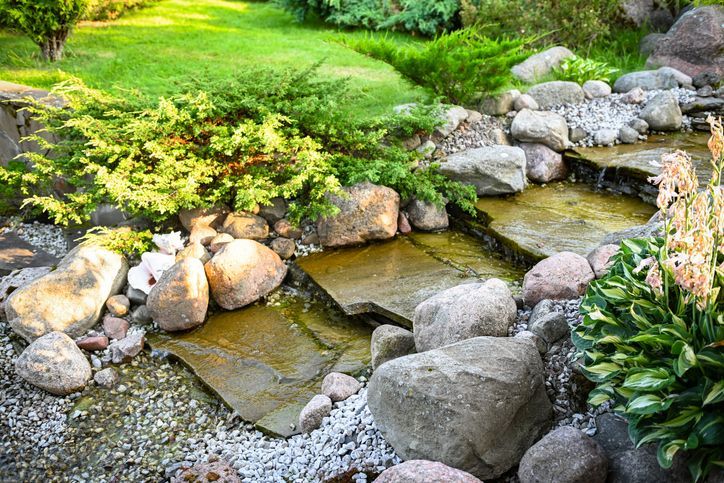
A swale is a shallow, graded channel designed to direct surface water across a property. Unlike a French drain, it doesn’t rely on underground piping. Instead, it uses slope and contouring to move water safely away from structures. 


Best Uses for Swales


Swales are often appropriate when:


  • Water flows across the surface during heavy rain
  • The property has visible runoff paths
  • Large areas need a gradual redirection of water
  • A natural or landscaped appearance is preferred


Swales are commonly integrated into lawns or planting areas and can be designed to blend into the landscape.


Considerations


Swales require adequate space and proper grading to function effectively. If not designed carefully, they can collect sediment or lose effectiveness over time.


Dry Wells: Storing and Dispersing Excess Water


What Is a Dry Well?


A dry well is an underground structure that temporarily collects water and allows it to disperse into the surrounding soil slowly. It’s often connected to downspouts, surface drains, or other drainage components.

When Dry Wells Are Useful

Dry wells work well when:


  • Roof runoff needs to be managed away from foundations
  • Surface drains collect water faster than it can disperse
  • Space allows for subsurface storage
  • Soil can absorb water at a normal rate


They are frequently paired with other water retention systems to relieve pressure during heavy rainfall.


Limitations


Dry wells are less effective in poorly draining soils and require proper sizing to avoid overflow during storms.


Underground Retention Tanks: High-Capacity Water Control


What Are Underground Retention Tanks?

Underground retention tanks are engineered systems designed to temporarily store large volumes of stormwater. They release water slowly or direct it into designated drainage areas.

Ideal Applications

These systems are typically used when:


  • Large properties or developments generate significant runoff
  • Municipal or zoning requirements limit water discharge rates
  • Multiple drainage issues need centralized control
  • Long-term water management planning is required


While more complex than other options, retention tanks provide reliable control when standard yard drainage systems are insufficient.

Choosing the Right Water Retention System


No two properties handle water the same way. Selecting a suitable solution depends on several factors, including:


  • Soil type and compaction
  • Natural slope and grading
  • Volume and direction of water flow
  • Proximity to structures and hardscapes
  • Available discharge points


Installing the wrong system, or placing the right system in the wrong location, can lead to recurring issues rather than solving them.

How J Bird’s Landscaping Determines the Best Solution


At J Bird’s Landscaping, drainage planning starts with understanding the property as a whole—not just the visible problem area. Each project begins with an evaluation of how water moves across the site, where it collects, and how it exits the property.

Their process typically includes:


  • Assessing grading and elevation changes
  • Identifying surface versus subsurface water issues
  • Evaluating soil conditions and absorption rates
  • Reviewing existing drainage infrastructure
  • Recommending yard drainage systems based on function, not trends


Whether the solution involves French drains, swales, dry wells, or integrated water retention systems, the goal is consistent performance and long-term reliability.

A Practical Approach to Yard Drainage Systems


Effective drainage doesn’t rely on one-size-fits-all solutions. In Pittsburgh’s varied terrain, combining systems is often the most practical approach. A French drain may handle subsurface moisture, while swales manage surface runoff, and dry wells absorb excess flow during heavy storms.

By selecting the right system for the specific conditions, property owners can safeguard their landscapes, minimize maintenance issues, and enhance overall site usability.

If you’re dealing with ongoing drainage concerns, working with experienced professionals who understand local conditions can make the difference between a quick, temporary solution and a reliable, lasting fix. 

Call J Bird's Landscaping today to learn more about our drainage solutions for your Pittsburgh home. 

A man and a child are sitting in a vehicle that says ' ec ' on it

Author: Jay Nagy


Owner & Founded of J Bird's Landscaping. 18+ Years of experience in Pittsburgh lawn cutting, patio installation, trucking/hauling, French drain installation, and other landscape/design services.


More Posts from J Bird's Landscaping
Why Water Pooling in Your Yard Isn't Just Annoying - It's a Risk to Your Home
By Rocket Websitez November 25, 2025
Discover why standing water in your yard can lead to foundation damage, erosion, pest issues, and reduced property value. Learn more here to protect your yard!
How Integrated Hardscaping and Drainage Systems Improve Property Value and Prevent Damage
By Rocket Websitez August 27, 2025
Integrated hardscaping and drainage protect your home, prevent costly water damage, and add lasting value to your property. Learn how to plan smart upgrades.
July 9, 2025
Managing stormwater effectively is crucial for maintaining a property that is safe, stable, and compliant with local environmental regulations. Whether you're a homeowner experiencing pooling water in your backyard or a developer planning large-scale drainage infrastructure, water retention systems offer the perfect solution. But before the system can do its job, there's one crucial phase that determines its success: excavation. This blog explores how professional excavation services in South Hills play a vital role in designing and installing effective water retention systems. We'll explain these systems, why they matter, and how excavation ensures they function efficiently from day one. What Is a Water Retention System, and Why Is It Needed? Water retention systems are designed to collect, hold, and slowly release stormwater. They serve two primary purposes: Flood Prevention — Retention systems protect buildings, landscapes, and roadways from flooding by controlling where and how water flows. Erosion Control and Soil Protection – Proper drainage prevents water from washing away topsoil, weakening foundations, or damaging plants. Water retention is critical in the South Hills region due to hilly terrain, older infrastructure, and heavy seasonal rainfall. Without proper drainage, properties can face water damage, basement flooding, and runoff that contributes to pollution downstream. Common Types of Water Retention Systems There are several types of retention systems, each requiring different levels of excavation and drainage planning: Retention ponds: Open basins designed to hold large volumes of water. Detention basins: Temporarily hold water before releasing it at a controlled rate. Dry wells: Underground chambers that collect and slowly disperse water. French drains: Gravel-filled trenches that help redirect water away from structures. Subsurface tank systems: Modular units buried underground to capture and manage runoff. Each of these systems begins with excavation, shaping the landscape to support the size, volume, and location of the drainage structure. Excavation: The Backbone of Every Drainage Project Excavation is a precise process that lays a strong foundation for an effective and reliable water retention system. Whether you're installing a dry well in your backyard or planning a large-scale basin for your commercial site, proper excavation helps you make sure that the system performs safely and efficiently. Here's why excavation is the first step in any water retention system installation: 1. Soil Testing and Assessment To begin the excavation process, contractors will conduct a detailed soil evaluation. Different soil types absorb and drain water differently. For example, sandy soils will allow water to percolate quickly, while clay soils, common in many South Hills neighborhoods, tend to retain water, increasing the risk of surface flooding. Soil testing helps determine the following: How deep to excavate What type of backfill or gravel may be needed Whether soil amendments or drainage fabrics are required Local experience plays a significant role here. A qualified excavation service in South Hills will understand the unique geotechnical conditions in areas like Mt. Lebanon, Bethel Park, and Baldwin. 2. Customized Grading and Land Shaping Grading refers to the process of sloping and contouring the land so that water flows in the desired direction. On sloped properties, precise grading is essential to avoid water collecting near foundations or running into neighboring lots. Excavation crews use GPS-enabled equipment and laser levels to: Establish positive drainage away from buildings. Create uniform slopes for channels or swales. Ensure retention basins have the correct depth and volume. Grading isn't just about utility; it's also about appearance. A well-graded retention area can blend into your landscape, doubling as a garden bed or natural-looking water feature. 3. Digging for Tanks, Basins, and Pipes Once grading is completed, excavation will begin for the drainage components. Depending on the system, this may involve: Digging deep pits for dry wells or water tanks Creating trenches for underground piping Shaping shallow depressions for surface retention basins Building reinforced walls for concrete or block containment systems This is where expertise and equipment matter most. The depth and width must meet strict guidelines for capacity, safety, and durability. Excavation crews also need to account for potential underground utilities, bedrock, or other unexpected obstacles. What to Expect from a Professional Excavation Service in South Hills Choosing an experienced excavation contractor helps you to ensure that your drainage project is completed on time, within your budget, and in compliance with local codes. A professional excavation service in South Hills will guide you through the following steps: Step 1: Initial Consultation and Planning The process starts with an on-site evaluation. The contractor will walk the property, assess slopes and soil, and help determine which retention system fits your needs. They'll also identify any permitting requirements based on municipal or county regulations. Step 2: Utility Marking and Site Preparation Before digging can start, all underground utilities, gas lines, water lines, and electrical cables must be marked. The excavation team will then clear the site, removing vegetation, old concrete, or debris. Step 3: Excavation and Installation Using backhoes, mini-excavators, or trenchers, the crew will shape the area. They will measure depths, apply gravel layers or liners, and install components like: Retention tanks Drainage pipes Filter fabrics Perforated basins Step 4: Backfilling and Restoration After installation is complete, the excavated area is backfilled with gravel, soil, or sand, depending on the project. The team then regrades the surface and may plant grass or install sod to blend the area into your existing landscape. Step 5: Final Inspection and Maintenance Plan Once the system is complete, your contractor will inspect it for performance and provide guidelines for seasonal maintenance. This may include: Removing debris from inlets or outlets Checking for erosion or settlement Inspecting overflow channels during heavy rain Excavation Challenges Specific to the South Hills Region If your property is located in the South Hills, you may have to deal with a few region-specific excavation concerns, such as: 1. Steep Slopes and Elevation Changes Many neighborhoods, like Upper St. Clair and Pleasant Hills, have sloped yards and driveways. Excavation in these areas requires slope stabilization and may include installing retaining walls or erosion control blankets. 2. Older Infrastructure and Tight Lots South Hills includes a mix of newer developments and older homes. Excavators often need to work around aging sewer systems, narrow access points, or tight property lines. 3. Municipal Stormwater Regulations Several South Hills municipalities have adopted stormwater ordinances that regulate the amount of water that can be released into public drains. Excavation contractors must ensure that systems are correctly sized and permitted. Benefits of Working with a Local Excavation Team Stormwater management is not a one-size-fits-all task. Working with a local excavation service in South Hills brings many benefits, including: Familiarity with local permitting offices and building codes Knowledge of soil patterns and drainage behavior across neighborhoods Faster response times for inspections and project coordination Established relationships with local engineers and landscape architects At J Bird's Landscaping, we combine local insight with professional-grade excavation capabilities to deliver reliable water retention solutions. Integrating Excavation and Landscaping for Seamless Results Excavation isn't just about digging; it's part of a bigger picture. After your retention system is installed, our landscaping team can restore the area with plants, mulch, pavers, or even decorative stone to match your property's aesthetics. Some of our most popular post-excavation upgrades include: Rain gardens that add beauty and pollinator support Permeable walkways to reduce runoff Decorative swales or bioswales with native grasses Low-maintenance groundcovers for erosion-prone slopes By choosing a company that handles both excavation and landscape design, you can be confident that your drainage solution will not only work but also look great. Water Retention Systems for Better Drainage Stormwater retention systems are critical for protecting your home, landscape, and local environment. However, the success of any system depends heavily on the quality of excavation that supports it. From soil testing and grading to trenching and system integration, excavation is the engine that drives performance. If you're considering a new water retention system or upgrading outdated drainage on your property, partnering with an experienced excavation service in South Hills is the smartest first step. Get in Touch with J Bird's Landscaping Today! Ready to take control of your property's water management? J Bird's Landscaping offers complete support for water retention system installation, including professional excavation, drainage planning, and finishing touches. We proudly serve homeowners, contractors, and property managers throughout the South Hills area. Contact us today to schedule your consultation or request an on-site evaluation.
The Ultimate Guide to Excavation Services
By Rocket Websitez April 14, 2025
Dig into excavation with J Bird’s expert guide—covering costs, timelines, and safety tips to help you plan your project with confidence and peace of mind.
The Importance of Professional Excavation
February 10, 2025
Ensure a strong foundation for your new home! J Bird's Landscaping explains the importance of professional excavation for safety, stability, and longevity.
Redi-Rock vs. Versa-Lok Retaining Wall Installation
January 22, 2025
Redi-Rock or Versa-Lok? J Bird's Landscaping compares these top retaining wall systems to help you decide the best fit for your landscaping needs.
Retaining Walls and Property Value
December 6, 2024
Discover how retaining walls can enhance your property’s value and curb appeal. J Bird’s shares insights on functionality, design, and investment benefits!
Protecting Your Retaining Wall in Winter Weather
November 1, 2024
Keep your retaining wall strong through winter! Get J Bird’s expert tips on preventing cold-weather damage and ensuring long-lasting durability.
Choosing the Right Materials for Sustainable Hardscaping
October 14, 2024
Create eco-friendly outdoor spaces with sustainable hardscaping materials. Discover tips for selecting durable, green options with J Bird’s Landscaping.
Enhance Your Retaining Wall Installation in South Hills with Greenery
September 3, 2024
Boost the beauty and function of your South Hills retaining wall with greenery. Learn tips from J Bird's Landscaping on how to incorporate plants for a vibrant, sustainable landscape. Read more!