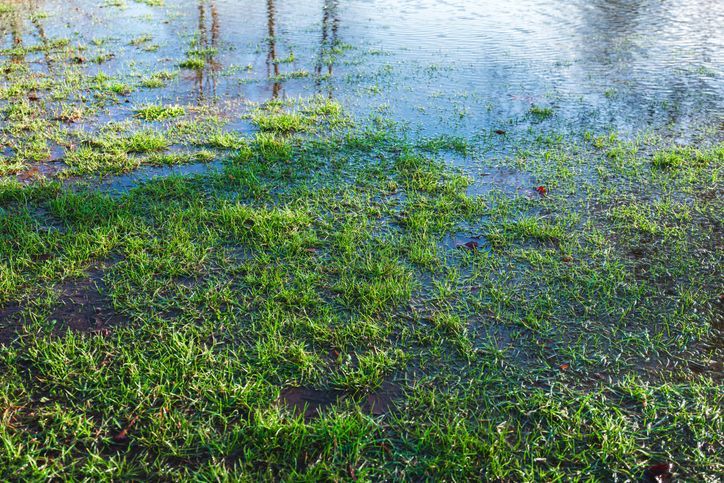
How Site Conditions Influence Retaining Wall Design
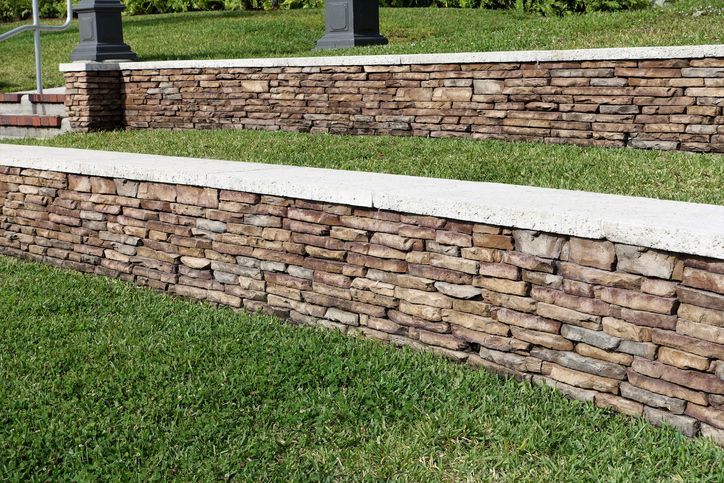
Retaining walls are one of the most effective solutions for managing slopes, controlling erosion, and creating usable outdoor space. However, a successful retaining wall project involves much more than choosing a material or design style. Every property has unique characteristics that influence how a retaining wall should be planned and constructed.
Factors such as soil type, slope severity, drainage patterns, and existing landscape features all play a critical role in determining the best retaining wall solution. Understanding these site conditions helps ensure long-term performance, durability, and stability.
Why Every Retaining Wall Project Starts With a Site Evaluation
No two properties are exactly alike. A retaining wall that works well on one property may not be appropriate for another due to differences in terrain, soil, or water movement.
Before construction begins, it's important to evaluate the site to identify factors that may affect the wall's design and performance. A thorough assessment helps determine:
- The type of retaining wall best suited for the property
- Drainage requirements
- Excavation needs
- Slope stabilization strategies
- Potential challenges that may impact installation
By understanding site conditions upfront, homeowners can avoid problems that may develop later and ensure their retaining wall is built to perform as intended.
How Soil Type Affects Retaining Wall Performance
Soil conditions are one of the most important factors in retaining wall design. Different soil types behave differently when exposed to moisture, pressure, and seasonal temperature changes.
Clay Soils
Clay soils are common throughout many areas of Western Pennsylvania. While clay can provide stability when dry, it tends to hold water for longer periods.
This can create additional pressure behind retaining walls and increase the importance of proper drainage design. Without adequate drainage, excess moisture can contribute to soil movement and erosion.
Sandy Soils
Sandy soils generally allow water to drain more easily. While this can reduce water-related pressure behind a retaining wall, sandy soil may require additional considerations to ensure adequate support and stability.
Rocky or Mixed Soils
Some properties contain rocky or mixed soil conditions that can affect excavation and construction methods. These conditions may influence the wall's foundation requirements and overall design approach.
Because soil conditions vary significantly from property to property, a professional site evaluation is essential before selecting a retaining wall system.
The Impact of Slope Severity on Wall Design
The steepness of a yard has a direct impact on retaining wall design.
Properties with minor elevation changes may require relatively simple retaining wall solutions. Steeper slopes, however, often require more extensive planning to properly manage soil pressure and water movement.
Factors influenced by slope severity include:
- Wall height
- Drainage requirements
- Excavation needs
- Reinforcement methods
- Overall layout
In some cases, a single retaining wall may be sufficient. In others, a series of terraced walls may provide a better solution by breaking a steep slope into multiple manageable levels.
Terracing can also create additional usable outdoor space while helping control erosion and runoff.
Why Drainage Is One of the Most Important Design Factors
Water is often one of the biggest threats to retaining wall performance.
When water collects behind a retaining wall, it creates additional pressure that can affect stability over time. Proper drainage helps reduce this pressure and protects both the wall and surrounding landscape.
Effective retaining wall drainage may include:
- Gravel backfill
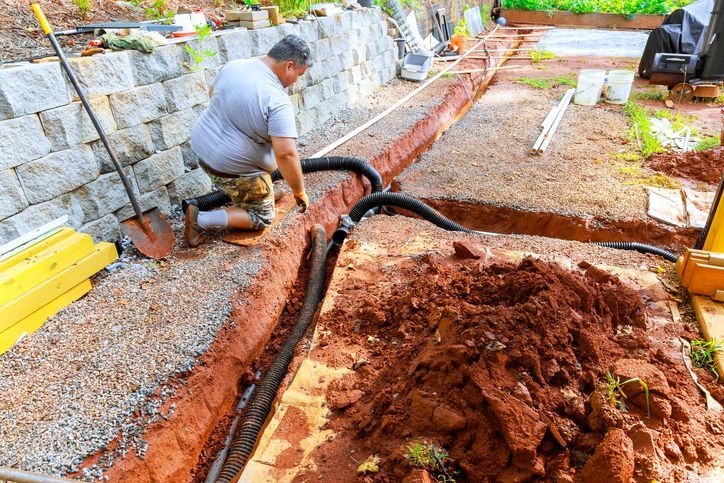
- Drainage pipes
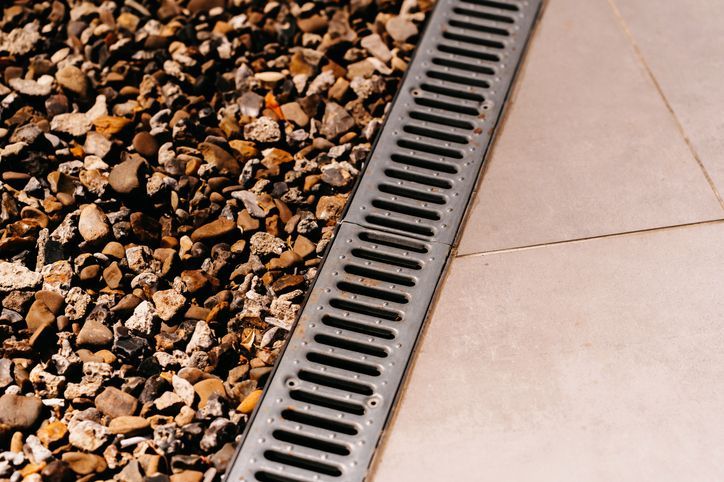
- Surface water management
- Proper grading techniques
Drainage planning is not simply an add-on feature—it is a critical component of retaining wall construction.
Understanding site conditions can also help determine the right time to install a retaining wall. Homeowners experiencing erosion, drainage issues, or slope instability may benefit from learning more about When Should You Build a Retaining Wall?.
Existing Landscape Features That Influence Design
Retaining walls must work with the existing landscape rather than against it.
Several site features may influence design decisions, including:
- Mature trees
- Root systems
- Patios
- Walkways
- Driveways
- Utility lines
- Property boundaries
For example, preserving established trees may require adjustments to wall placement. Existing patios or walkways may influence the wall's height, layout, or drainage strategy.
Considering these elements during the planning stage helps create a finished project that looks cohesive while protecting existing investments in the landscape.
The Role of Excavation in Retaining Wall Success
Excavation is one of the most important steps in any retaining wall project.
Before a wall can be installed, the site must be properly prepared to create a stable foundation. This often involves:
- Removing unsuitable soil
- Establishing proper grades
- Creating a solid base
- Preparing drainage systems
The quality of the excavation work directly affects the long-term performance of the wall.
While some homeowners may consider handling excavation themselves, retaining wall projects often require specialized equipment and experience. Before taking on this type of work, consider reading Should I Do My Own Excavation? to better understand the challenges involved.
How J Bird's Landscaping Evaluates Site Conditions
At J Bird's Landscaping, every retaining wall project begins with understanding the property's unique conditions.
Our team evaluates:
- Slope and elevation changes
- Drainage patterns
- Soil conditions
- Existing landscape features
- Long-term performance considerations
This approach allows us to develop retaining wall solutions that are tailored to each property rather than relying on a one-size-fits-all design.
Whether the goal is controlling erosion, creating usable outdoor space, or improving drainage, proper planning helps ensure the finished wall performs well for years to come.
Building a Retaining Wall That Works With Your Property
A retaining wall is only as effective as the planning that goes into it. Soil conditions, drainage patterns, slope severity, and existing landscape features all influence how a wall should be designed and constructed.
By taking site conditions into account from the beginning, homeowners can avoid common problems and create a retaining wall that provides long-term stability and functionality.
If you're considering a retaining wall project, J Bird's Landscaping can help evaluate your property and recommend a solution tailored to your specific needs. Contact our team today to schedule a consultation and learn how a professionally designed retaining wall can improve your landscape.

Author: Jay Nagy
Owner & Founded of J Bird's Landscaping. 18+ Years of experience in Pittsburgh lawn cutting, patio installation, trucking/hauling, French drain installation, and other landscape/design services.
More Posts from J Bird's Landscaping