How to Improve Water Flow at Your Home by Identifying and Fixing Hardscape Settlement Problems
When water does not move away from your home the way it should, the problem is not always just your lawn or your downspouts. In many cases, the issue starts with the hardscape itself. A settling patio, shifting walkway, or sunken retaining wall area can interrupt drainage patterns and send water where it does not belong.
For homeowners dealing with standing water, muddy spots, or runoff near the foundation, it is important to inspect the condition of the surfaces around the home. In many cases, what appears to be a drainage issue is actually tied to hardscape movement. That is one reason for conversations about water retention systems.
Pittsburgh homeowners often need to address questions about settling pavers, uneven grading, and failing base materials.
If you have noticed low spots, loose pavers, or water pooling around your hardscaping, here is what to watch for and why professional repair matters.
What Hardscape Settlement Actually Means
Hardscape settlement happens when the ground or base beneath a paved or built surface shifts, compacts, erodes, or washes away over time. As that support weakens, the hardscape above it can sink, tilt, separate, or crack.
This can affect patios, walkways, steps, retaining walls, driveways, and other outdoor features. Sometimes the changes happen slowly and are easy to ignore at first. A slight dip in a paver patio or a small gap between stones may not seem urgent. But once the surface starts moving, water usually follows those changes.
That is where the real trouble begins. Water naturally looks for the path of least resistance. If part of your hardscape has settled, it can redirect runoff toward your house, trap water in one area, or create erosion around the edges of the installation.
Common Signs of Hardscape Settlement
One of the clearest warning signs is pooling water that appears in the same place after every rain. If water sits on a patio, along a walkway, or next to your home's foundation, the surface slope may no longer be doing its job.
You may also notice pavers that rock when stepped on, sections of a walkway that feel uneven, or gaps that were not there before. In some cases, the edges of a patio begin to pull apart. In others, one section sinks enough to create a noticeable lip or tripping hazard.
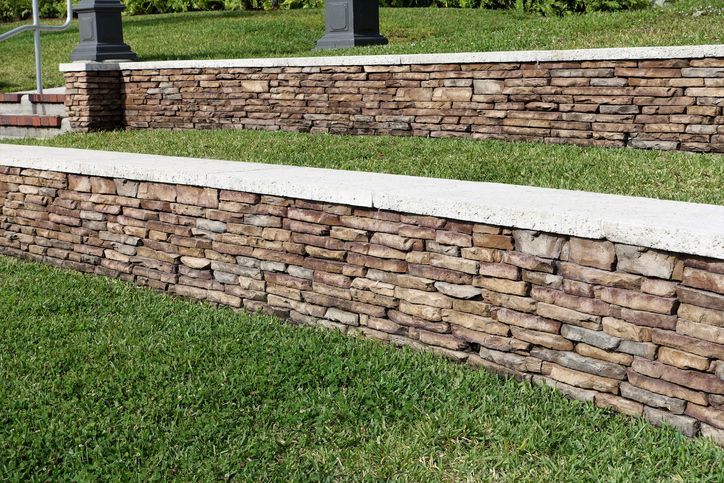
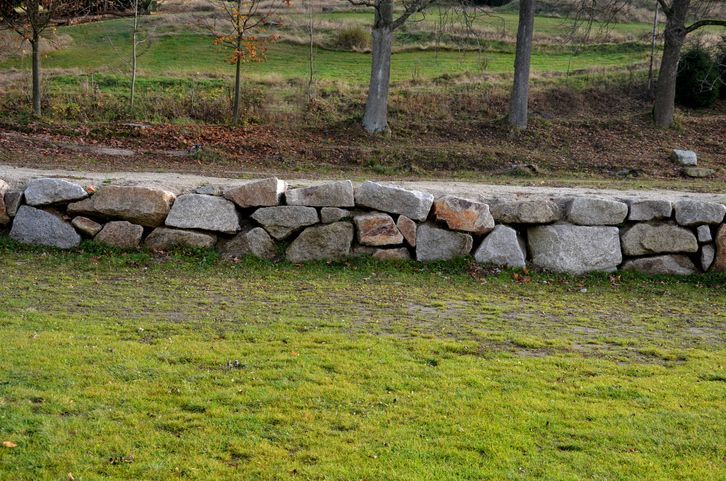
Retaining walls can show signs, too. If the wall is leaning, separating, or bulging in certain areas, there may be drainage pressure or soil movement behind it. That kind of movement should never be ignored, especially when the wall is meant to help manage grade changes and water flow.
Even small visual clues matter. Water stains, washed-out joints, exposed base material, and soil erosion near the hardscape can all point to a larger underlying problem.
Why Hardscapes Settle in the First Place
Most settlement problems begin below the surface. A hardscape is only as stable as the base underneath it. If that base was not properly excavated, compacted, or built to handle drainage, the surface above can start to shift over time.
Improper installation is one common cause. If the soil was not excavated deeply enough or the aggregate base was too thin, the surface may lack sufficient support. In areas with heavy rainfall, freeze-thaw cycles, or poor soil conditions, those weaknesses often appear more quickly.
Water is another major factor. If runoff is not directed away properly, water can wash out fines in the base, soften soil, or create voids beneath the hardscape. Downspouts that discharge too close to a patio or walkway can worsen the problem. So can poor grading around the home.
Tree roots, repeated freeze-thaw movement, and heavy foot or vehicle traffic can also contribute to shifting. In many cases, settlement happens because several of these factors are working together.
How Settlement Affects Water Flow Around Your Home
A well-built hardscape should help control water, not make drainage harder to manage. When surfaces settle or shift, they often lose the slope needed to move water away from structures and toward appropriate drainage areas.
That change can have a ripple effect across the property. Water may begin collecting near entryways, garage slabs, or foundation walls. Runoff may spill into planting beds and wash away mulch or topsoil. Low spots can keep areas wet longer, affecting nearby turf, encouraging moss growth, and creating slippery conditions.
In some cases, settlement problems also interfere with larger drainage planning. Homeowners researching water retention systems for Pittsburgh properties often need to address both water management and hardscape repair simultaneously. A drainage solution will only work as intended if the surrounding surfaces are stable, properly graded, and built to direct water where it should go.
Why Surface Fixes Usually Do Not Last
It can be tempting to look for a quick fix. Some homeowners try to add joint sand, patch low areas, or reset a few loose pavers without addressing the cause underneath. While that may improve appearance for a short time, it usually does not solve the real issue.
If the base has been compromised, the movement will continue. Water will keep finding the same weak spots. In fact, temporary fixes can sometimes make repairs more complicated later by hiding the extent of the problem or trapping moisture where it should not be.
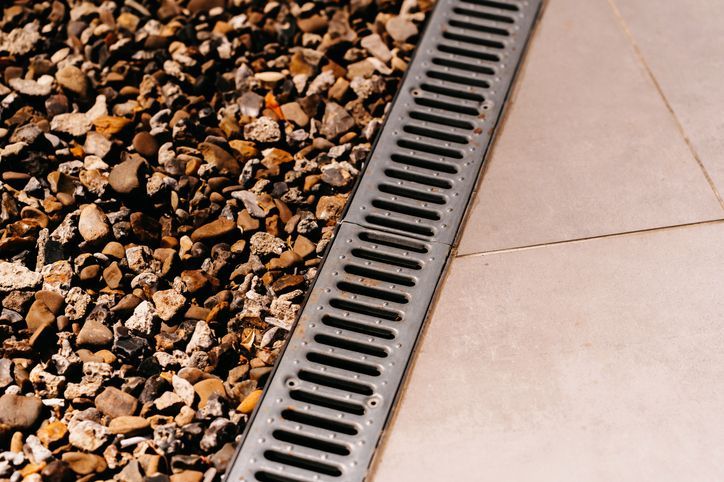
The same idea applies to drainage add-ons that are installed without correcting settlement. A channel drain or small swale may help somewhat, but if the patio or walkway is still pitched the wrong way, water problems are likely to return.
Professional repair starts with identifying why the surface moved in the first place. That means looking at slope, runoff patterns, soil conditions, edge restraint, drainage outlets, and base integrity before deciding how to rebuild or reset the area.
What Professional Hardscape Repair Typically Involves
A proper repair is rarely just about replacing surface materials. In many cases, the settled section needs to be taken up so the underlying base can be evaluated and rebuilt correctly.
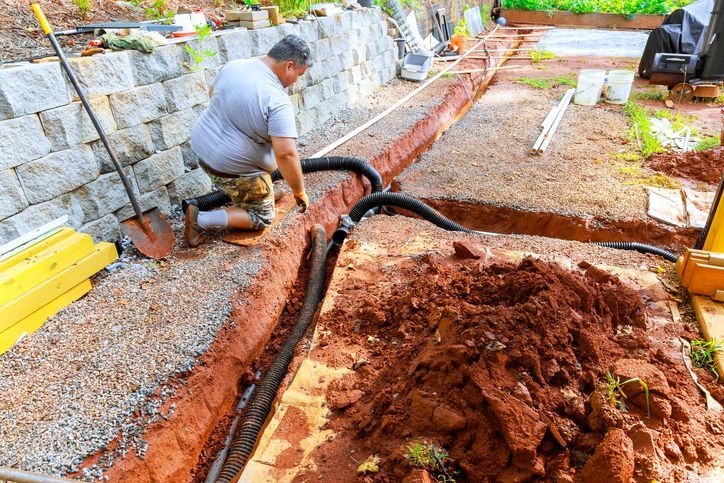
That may involve removing pavers or stone, correcting the grade, adding or replacing compacted base material, improving drainage below or around the hardscape, and then reinstalling the surface with the right pitch. If runoff is a major issue, the repair plan may also include drainage elements that work with the landscape rather than against it.
This is also why excavation matters so much. A repair that does not start with the right groundwork will not perform the way it should.
In many yards, the best solution involves looking at the entire outdoor system. Hardscaping, grading, runoff control, and drainage should all support one another.
When Drainage and Hardscape Design Need to Work Together
Hardscape repair is often the right time to think more broadly about how your property handles water. If one area has settled, there may already be signs that runoff is overwhelming the original design.
For example, a patio may need to be reset, but the larger issue could be roof water discharging too close to the house. A walkway may be sinking because the surrounding grade funnels stormwater directly toward it. A retaining wall may be under pressure because water has no reliable outlet from the area.
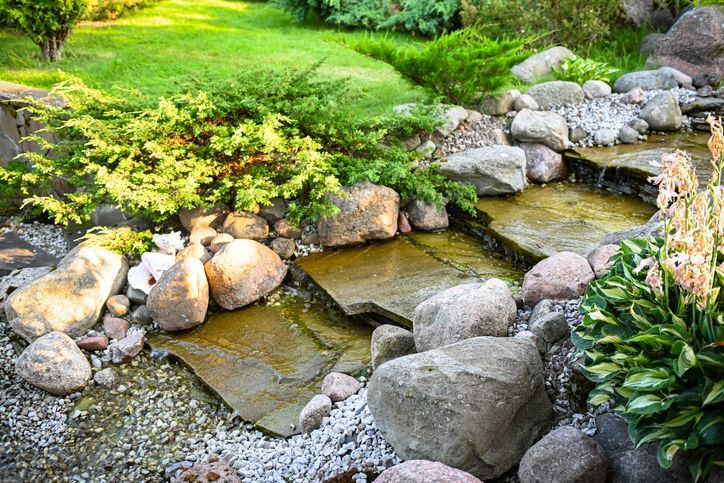
That is why long-term repair often involves both structural correction and better water management. Depending on the property, that could include grading adjustments, drainage improvements, and retention features that help control runoff before it causes more erosion or movement.
Homeowners who are planning updates may also want to explore the latest trends in hardscaping, especially if they are already considering repairs and want to make thoughtful upgrades at the same time.
Why Acting Early Can Save Money and Prevent Damage
Settlement rarely stays confined to a single small spot. Once water starts collecting or moving incorrectly, it tends to wear away surrounding materials and create new weak points. What begins as a minor dip in a patio can eventually affect adjacent walkways, planting beds, drainage routes, and even areas near the foundation.
Early repair helps prevent that progression. It can also reduce safety hazards, such as uneven walking surfaces and loose materials. More importantly, it gives you the chance to correct the drainage pattern before repeated saturation causes more serious property issues.
Ignoring settlement does not usually make the problem less expensive. It often means more materials need to be removed and rebuilt later, and more surrounding areas may need attention.
Call J Bird's for Hardscape Drainage Solutions
If you are trying to improve water flow at your home, do not overlook the condition of your hardscaping. Sinking patios, shifting walkways, and other signs of settlement can do more than affect curb appeal. They can change the way water moves across your property and create ongoing drainage problems.
The key is not just fixing what you can see on the surface. Real repair means identifying why the hardscape moved, correcting the base and grade, and ensuring the finished space supports improved drainage in the future.
For homeowners dealing with pooling water, erosion, or uneven outdoor surfaces, a professional evaluation can help connect the dots between settlement and drainage. In many cases, the right repair plan is an important step toward better long-term performance, especially when broader water retention systems that Pittsburgh properties need are part of the discussion.
Call J Bird's Landscaping to get started!
Author: Jay Nagy
Owner & Founded of J Bird's Landscaping. 18+ Years of experience in Pittsburgh lawn cutting, patio installation, trucking/hauling, French drain installation, and other landscape/design services.
More Posts from J Bird's Landscaping