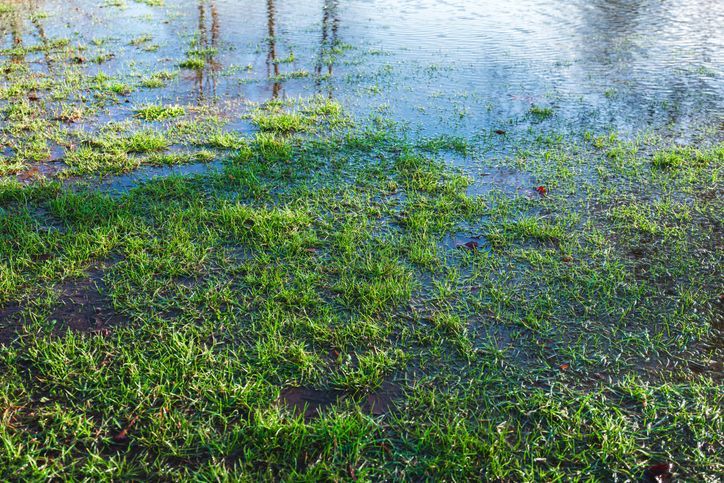
Planting Strategies That Complement Retaining Walls and Hardscapes
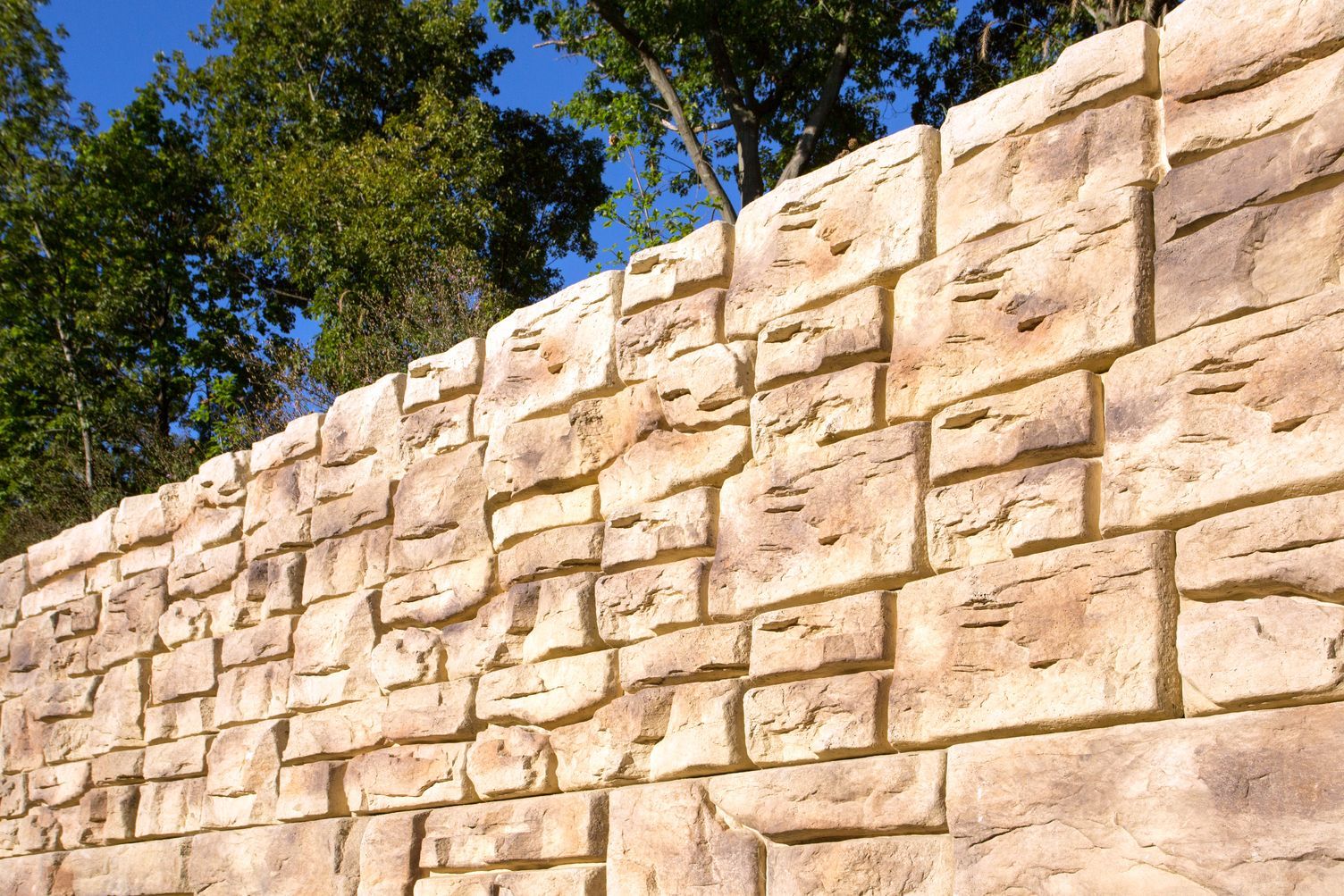
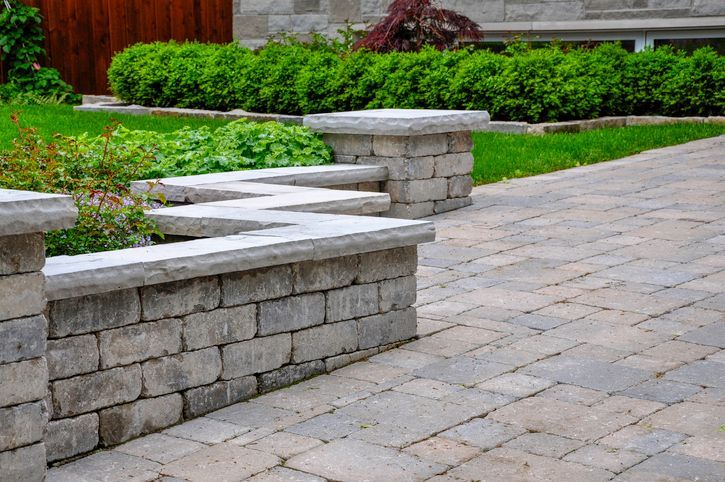
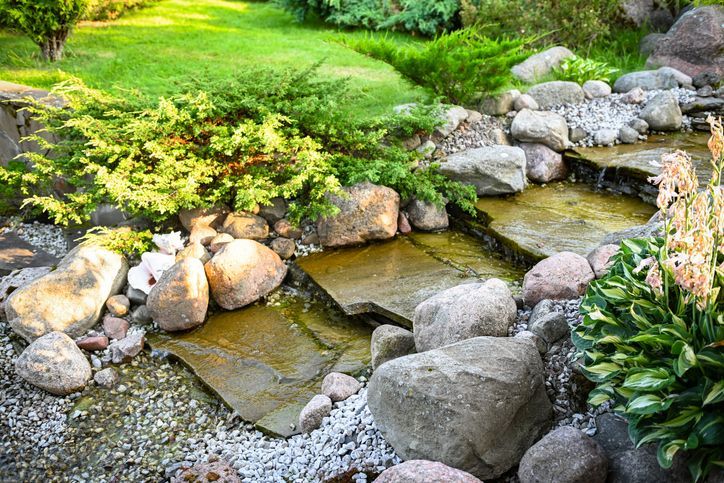
A retaining wall can solve practical problems such as managing elevation changes and creating more usable space, but the plants surrounding it play an important role in how the finished landscape looks and functions. The right combination of plants, turf, and groundcovers can soften hard edges, create attractive transitions, and make retaining walls and patios feel like part of one cohesive landscape.
Plant selection around hardscaping requires more thought than simply choosing plants that look good. Mature plant size, root growth, drainage, sunlight, maintenance needs, and proximity to the wall or patio should all be considered.
For Pittsburgh homeowners, choosing plants suited to Western Pennsylvania's climate and individual site conditions can also make the landscape easier to maintain over the long term.
Why Plant Selection Matters Around Retaining Walls
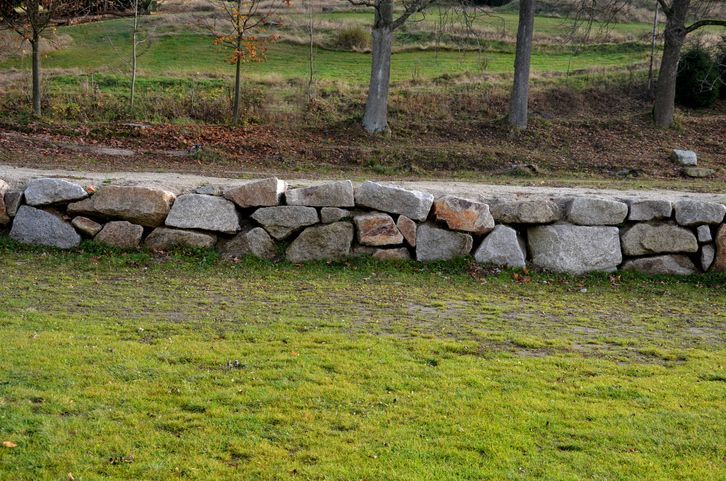
Retaining walls create opportunities for planting above, below, and around the structure. However, those areas can have very different growing conditions.
The soil above a retaining wall may drain differently from the soil elsewhere in the yard. A wall can also affect sunlight, heat exposure, and available planting space.
When planning vegetation around a retaining wall, consider:
- Mature plant and root size
- Sun and shade conditions
- Soil drainage
- Available planting depth
- Water requirements
- Maintenance access
- Distance from the wall
- How plants will look at maturity
Thinking about these factors during the design stage can produce a landscape that complements the retaining wall instead of competing with it.
Choose Plants Based on Their Mature Size
One of the easiest landscaping mistakes to make is choosing plants based only on how they look at the garden center.
A small shrub can eventually become several feet wide. Trees can develop extensive root systems. Groundcovers can spread far beyond their original planting area.
Before installing plants near a retaining wall, consider what each plant will look like several years from now.
Plants placed too close together can eventually overcrowd the area, while vegetation planted too close to hardscape features can make maintenance more difficult.
A layered approach often works well. Smaller plants and groundcovers can be positioned closer to visible edges, while larger shrubs can be located farther away where they have room to develop.
For additional ideas on combining plants and walls, read our guide to How to Landscape Retaining Walls.
Be Careful With Large Roots Near Retaining Walls
Roots are an important consideration when choosing plants near retaining walls.
Small ornamental plants, perennials, and many groundcovers typically require less space than large trees and shrubs. Larger plants can develop extensive root systems as they mature.
That does not mean trees or larger shrubs cannot be incorporated into a retaining wall landscape. Their location simply needs to be considered carefully.
Planting plans should account for:
- Mature root systems
- Available soil volume
- Distance from the retaining wall
- Existing drainage
- Nearby patios and walkways
- Future maintenance requirements
If there is uncertainty about how a large plant may interact with a wall, it is better to address the issue during landscape planning rather than after the vegetation has matured.
Use Groundcovers to Soften Hardscape Edges
Retaining walls and patios naturally create strong lines throughout a landscape. Groundcovers can soften those transitions without hiding the hardscape itself.
Depending on site conditions, low-growing plants can be used along:
- Retaining wall edges
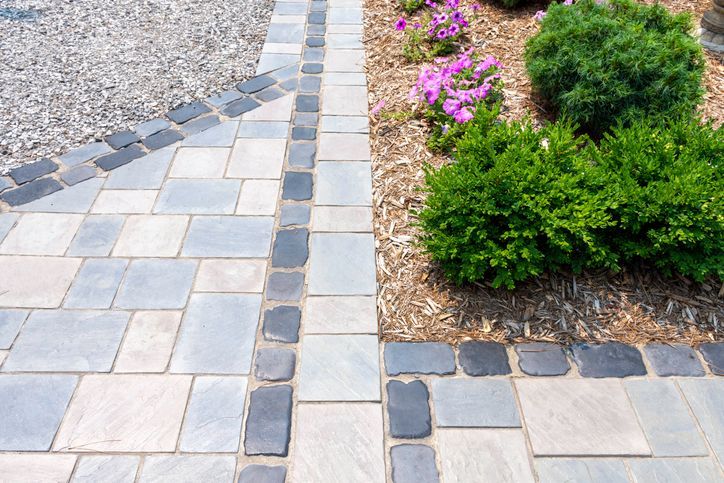
- Walkways
- Landscape beds
- Patio borders
- Steps
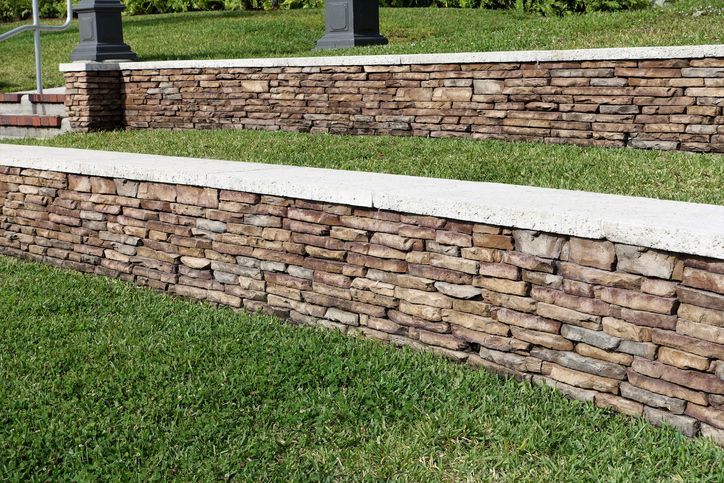
- Terraced areas
Groundcovers can be especially useful on areas that are difficult to mow. They may also help protect exposed soil from direct rainfall and reduce minor surface erosion when properly established.
The best groundcover depends on the location. A sunny, dry area above a wall will require different plants than a shaded area that retains more moisture.
Rather than selecting a groundcover based solely on appearance, consider sunlight, drainage, growth habits, and maintenance requirements.
Selecting Turf Near Patios and Retaining Walls
Grass creates a familiar transition between hardscaping and the rest of the yard, but turf immediately adjacent to patios and retaining walls needs to be planned carefully.
One major consideration is maintenance.
If turf extends into narrow areas or awkward corners, mowing and trimming can become frustrating. A better layout may use clean lawn edges and planting beds to separate turf from hardscape features.
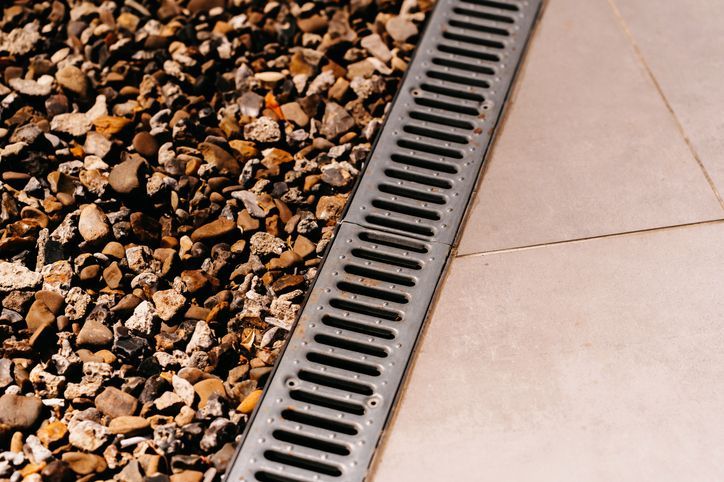
Drainage also matters. Areas where lawn meets a patio should be graded so water does not continually collect along the hardscape edge.
The goal is to create a transition that looks clean while remaining practical to maintain.
Consider How Water Moves Through Planting Areas
Plant selection and drainage should be considered together.
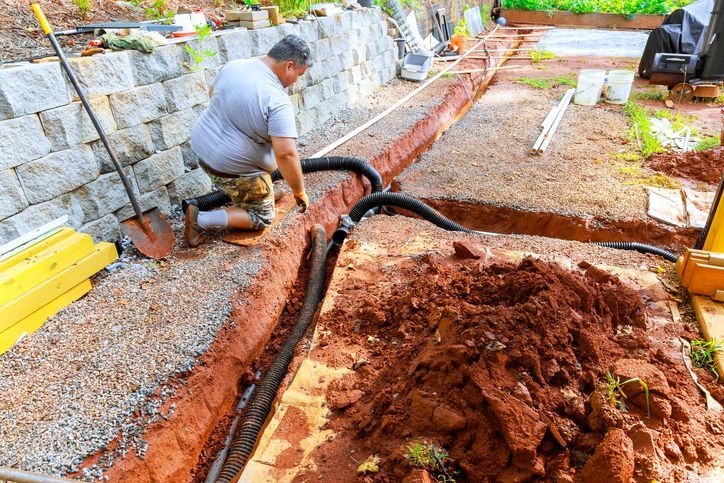
Water moving across a sloped property does not stop being a concern simply because a retaining wall has been installed. Rainwater still needs an appropriate path through or around the landscape.
Planting beds should not interfere with drainage components or unintentionally direct water toward structures.
This is particularly important when landscaping:
- Above retaining walls
- At the bottom of slopes
- Around patios
- Near downspouts
- Along walkways
Plants can help cover and stabilize exposed soil, but vegetation should complement a properly designed drainage and grading system rather than serve as a substitute for one.
Use Plants to Define Different Outdoor Areas
Planting can also help organize a hardscape design.
For example, a patio used for dining can be visually separated from another area with strategically placed planting beds. A retaining wall can create the elevation change, while shrubs, grasses, or perennials help distinguish each outdoor zone.
This combination of hardscape and softscape can make a backyard feel more intentional.
Plants can be used to:
- Frame patios
- Highlight entrances
- Define walkways
- Create visual separation
- Add seasonal color
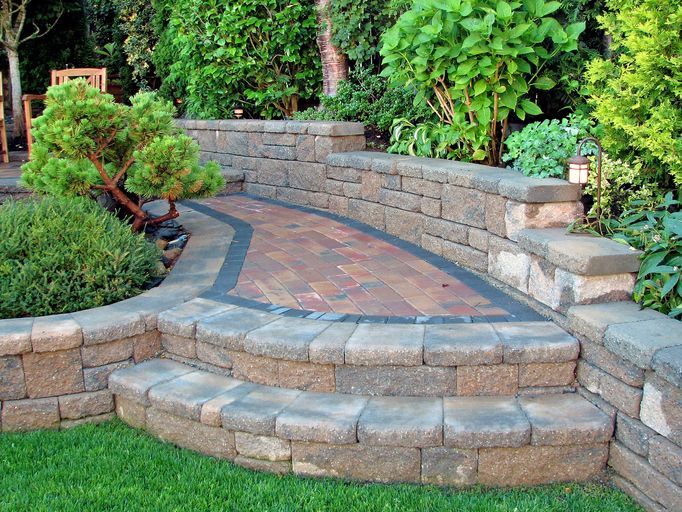
- Soften retaining walls
- Connect different elevations
The objective is not to cover every hard surface with vegetation. Instead, plants should complement the structure and help connect different parts of the property.
Think About Year-Round Appearance
Pittsburgh landscapes change significantly throughout the year. A planting plan that looks full in June can appear completely different during winter.
Using a combination of plant types can provide greater year-round interest.
Depending on the site, a landscape might incorporate:
- Evergreen shrubs for year-round structure
- Ornamental grasses for texture
- Perennials for seasonal color
- Groundcovers for low-growing coverage
- Deciduous shrubs for changing seasonal interest
The exact combination should depend on the property's sunlight, soil, drainage, available space, and maintenance goals.
Don't Forget Maintenance Access
A landscape should still be practical after everything grows in.
Plants that block access to steps, drainage outlets, patio edges, or retaining wall areas can make routine maintenance unnecessarily difficult.
When designing planting areas, leave appropriate access for tasks such as:
- Trimming and pruning
- Cleaning hardscape surfaces
- Inspecting drainage areas
- Maintaining landscape beds
- Mowing and edging
Planning for maintenance from the beginning can help the finished landscape stay cleaner and easier to manage.
Coordinate Planting With the Hardscape Design
The best results often come from considering the retaining wall, patio, walkways, drainage, and landscaping as parts of the same project.
Material colors and textures can influence plant selection. A clean, modern hardscape may pair well with a simpler planting palette, while a more natural wall can work well with layered plantings and organic shapes.
Homeowners looking for additional design inspiration can explore Beautiful Retaining Walls for Every Style.
You can also review The Latest Trends in Hardscaping for ideas on creating cohesive patios, walkways, retaining walls, and outdoor living spaces.
Create a Landscape That Works as One System
A successful retaining wall project is about more than the wall itself. The surrounding grading, drainage, hardscaping, turf, and plantings all influence how the property looks and functions.
Choosing vegetation based on mature size, root growth, drainage conditions, sunlight, and maintenance requirements helps create a landscape that complements the hardscape for years to come.
This is especially important on Pittsburgh-area properties with significant slopes, elevation changes, or drainage challenges. Planning the entire space together can create cleaner transitions and make difficult areas of the yard more functional.
J Bird's Landscaping provides retaining wall, hardscaping, excavation, grading, and landscaping services for homeowners throughout the Pittsburgh area. If you're planning a retaining wall or hardscape project and want the surrounding landscape to work with the finished design, contact J Bird's Landscaping to schedule a consultation.
Author: Jay Nagy
Owner & Founded of J Bird's Landscaping. 18+ Years of experience in Pittsburgh lawn cutting, patio installation, trucking/hauling, French drain installation, and other landscape/design services.
More Posts from J Bird's Landscaping